




 Уряд РФ готується до падіння експорту нафти до Індії на 30% та дефіциту бюджету
 Саміт на Алясці став "великою аферою" Путіна, - WSJ
 Моді відмовився зупинити імпорт російської нафти, - Bloomberg
 Індія зухвало відмовила Трампу, нагадавши про торгівлю США і РФ
 "Дедлайн" Трампа для Кремля може пройти тихо і без наслідків, - AP
 Збільшення видобутку ОПЕК+ та нові погрози Трампа тиснуть на ціни на нафту
 На лінії фронту в Україні зона ураження стає дедалі глибшою: в The Economist назвали причини
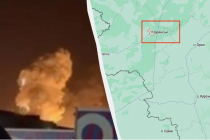 У російському Брянську пролунали потужні вибухи в районі аеропорту
 Трампу імпічмент, Венсу – посаду: Маск продовжує підливати масла у вогонь
 Росія масовано атакувала Україну дронами і ракетами: є руйнування і постраждалі
 Нічний удар Росії по Україні: жителі деяких міст залишилися без світла
 Росія планує у 2026 році захопити дві області та відрізати Україну від Чорного моря, - ОП
 У США закликали видворити Маска з країни після сварки з Трампом, - The Hill
 Низка поїздів спізнюється через наслідки атаки на Київ
 Під час нічного удару росіян у Києві загинули рятувальники
 Порошенко залишив собі слона і причіп, а всі дохідні активи намагався переписати на дружину, - ЗМІ
 В Україні з'явиться військовий омбудсмен: Рада зробила перший крок
 Унікальна спецоперація: СБУ втретє вразила Кримський міст
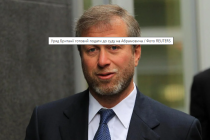 Британія готова судитися з Абрамовичем, щоб передати Україні гроші із продажу "Челсі"
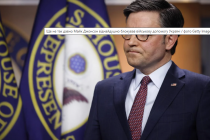 Ключовий союзник Трампа підтримав законопроект про пекельні санкції проти РФ
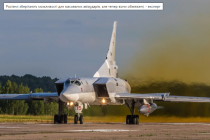 Росіяни зберігають можливості для масованих авіаударів, але тепер вони обмежені, - експерт
 Олена Тополя відверто зізналася, що робила пластику грудей
 Як рясні дощі вплинуть на врожай картоплі в Україні: відповідь фермера
 "Це не просто епізод": Шмигаль заявив, що "Павутина" може повторитись
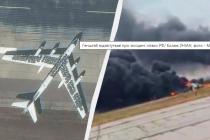 Генштаб відзвітував про знищення 12 російських літаків
Iranian and U.S. leaders have reassured their nations that they do not seek war. But among ordinary Iranians who already face hardship from tightening sanctions, nerves are being strained by worry that the situation could slip out of control.
In interviews conducted from outside the country by telephone and online, Iranians described heated discussions at home, on the streets and on social media.
The prospect of war was now the main topic of conversation in workplaces, taxis and buses, Nima Abdollahzade, a legal consultant at an Iranian startup company, told Reuters.
“Apart from the deterioration in the Iranian economy, I believe the most severe effect” of confrontation with the United States “is in the mental situation of ordinary Iranians,” he said. “They are sustaining a significant amount of stress.”
The United States pulled out of an agreement between Iran and world powers a year ago that limited Iran’s nuclear program in return for lifting economic sanctions.
This month tensions have risen sharply, with Washington extending its sanctions to ban all countries from importing Iranian oil. A number of U.S. officials led by National Security Adviser John Bolton have made hawkish remarks, citing Iranian threats against U.S. interests. Trump himself tweeted: “If Iran wants to fight, that will be the official end of Iran.”
Iran has tended to dismiss the tough talk as a bluff - “psychological warfare” from a U.S. administration not ready for a fight. But some Iranians say the tension could have its own logic, raising the chance of a mistake leading to violence.
‘A DOG THAT WON’T BITE BARKS’
A labour activist who spent months in an Iranian jail for his activities and asked not to be identified, said: “War and sanctions are two sides of the same coin, designed by the (U.S.) capitalist system. The working class would bear brunt of the pressures.”
Some Iranians expect pressure to lead to negotiations, as when former President Barack Obama tightened sanctions that crippled the Iranian economy and led to the 2015 deal.
But others believe their leaders will never go back down that road following Trump’s reimposition of sanctions.
“Any politician who starts negotiations with America would make a fool of himself,” said a student who also asked not to be identified. “Even (Mohammad Javad) Zarif has given up on that,” she said, referring to Iran’s U.S.-educated foreign minister.
Zarif told CNN this week Iran had “acted in good faith” in negotiating the deal that Washington abandoned. “We are not willing to talk to people who have broken their promises.”
Trump has said Washington is not trying to set up talks but expects Tehran to call when it is ready. A U.S. official said last week Americans “were sitting by the phone”, but had received no call from Iran yet.
Foad Izadi, a political science professor at Tehran University, told Reuters that phone call is not coming.
“Iranian officials have come to this conclusion that Trump does not seek negotiations. He would like a phone call with Rouhani, even a meeting and a photo session, but that’s not a real negotiation,” Izadi said.
Despite saying talks are now off the table, Iranian leaders still say war is unlikely. Supreme Leader Ayatollah Ali Khamenei, Iran’s highest authority, said the United States would not attack as “it’s not in their interests.”
The logic makes sense to Mohsen Mortazavi, a young cleric who graduated from a religious school in the city of Qom.
“There won’t be any war because a military confrontation will not resolve any of the U.S. problems, it will only add to them,” Mortazavi told Reuters. “Trump’s shouts and threats are a psychological war. A dog that cannot bite barks.”
But Izadi, the political science professor, disagrees. “A war is highly probable. There are officials in Washington who have planned for invading Iran for years,” he said.






























































































 Следите за нами в Facebook