



 Уряд РФ готується до падіння експорту нафти до Індії на 30% та дефіциту бюджету
 Саміт на Алясці став "великою аферою" Путіна, - WSJ
 Моді відмовився зупинити імпорт російської нафти, - Bloomberg
 Індія зухвало відмовила Трампу, нагадавши про торгівлю США і РФ
 "Дедлайн" Трампа для Кремля може пройти тихо і без наслідків, - AP
 Збільшення видобутку ОПЕК+ та нові погрози Трампа тиснуть на ціни на нафту
 На лінії фронту в Україні зона ураження стає дедалі глибшою: в The Economist назвали причини
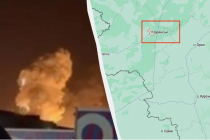 У російському Брянську пролунали потужні вибухи в районі аеропорту
 Трампу імпічмент, Венсу – посаду: Маск продовжує підливати масла у вогонь
 Росія масовано атакувала Україну дронами і ракетами: є руйнування і постраждалі
 Нічний удар Росії по Україні: жителі деяких міст залишилися без світла
 Росія планує у 2026 році захопити дві області та відрізати Україну від Чорного моря, - ОП
 У США закликали видворити Маска з країни після сварки з Трампом, - The Hill
 Низка поїздів спізнюється через наслідки атаки на Київ
 Під час нічного удару росіян у Києві загинули рятувальники
 Порошенко залишив собі слона і причіп, а всі дохідні активи намагався переписати на дружину, - ЗМІ
 В Україні з'явиться військовий омбудсмен: Рада зробила перший крок
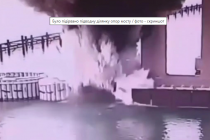 Унікальна спецоперація: СБУ втретє вразила Кримський міст
 Британія готова судитися з Абрамовичем, щоб передати Україні гроші із продажу "Челсі"
 Ключовий союзник Трампа підтримав законопроект про пекельні санкції проти РФ
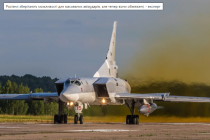 Росіяни зберігають можливості для масованих авіаударів, але тепер вони обмежені, - експерт
 Олена Тополя відверто зізналася, що робила пластику грудей
 Як рясні дощі вплинуть на врожай картоплі в Україні: відповідь фермера
 "Це не просто епізод": Шмигаль заявив, що "Павутина" може повторитись
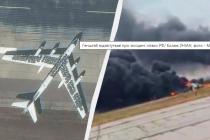 Генштаб відзвітував про знищення 12 російських літаків
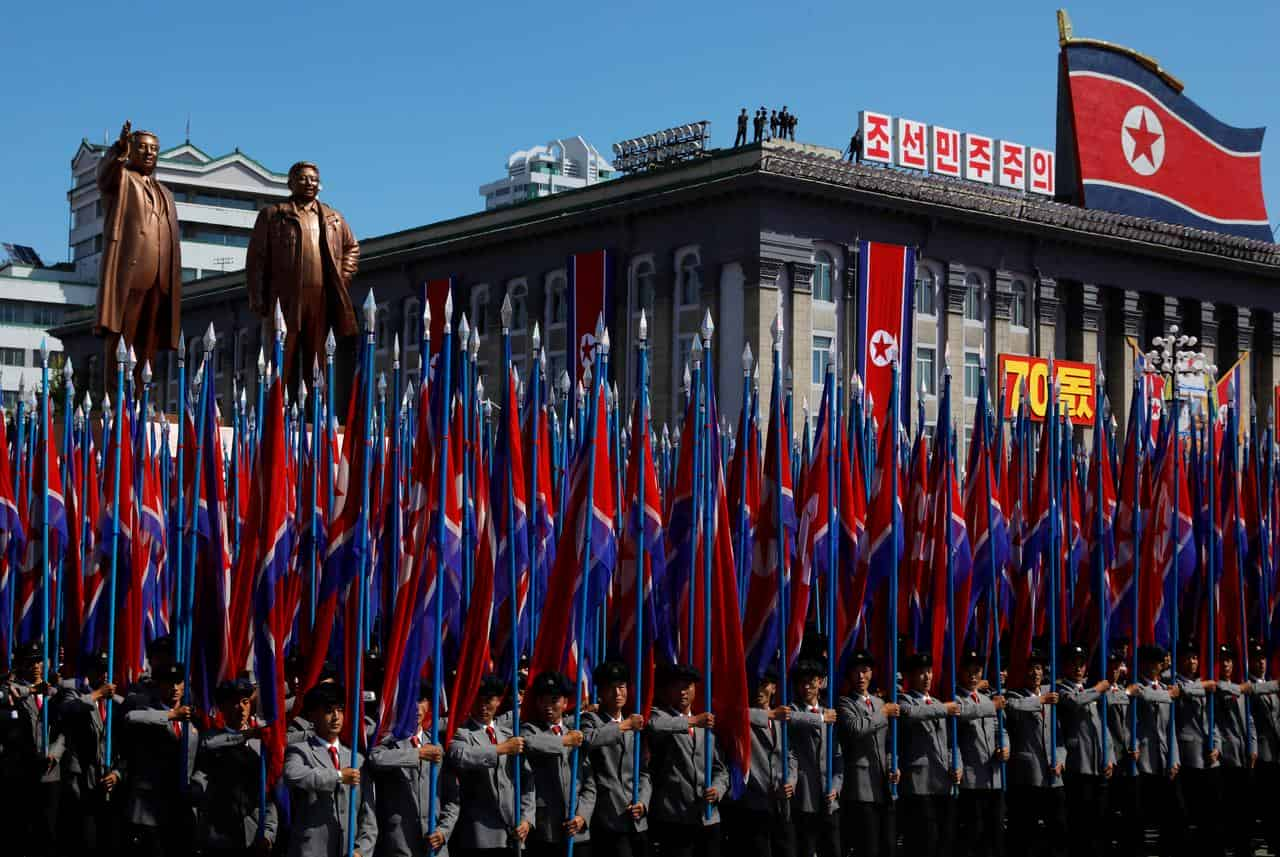
North Korea has continued to produce bomb fuel while in denuclearization talks with the United States and may have produced enough in the past year to add as many as seven nuclear weapons to its arsenal, according to a study released just weeks before a planned second summit between the North Korean leader and U.S. President Donald Trump.
However, the country’s freeze in nuclear and missile testing since 2017 mean that North Korea’s weapons program probably poses less of a threat than it did at the end of that year, the report by Stanford University’s Center for International Security and Cooperation found.
Siegfried Hecker, a former director of the U.S. Los Alamos weapons laboratory in New Mexico who is now at Stanford and was one of the report’s authors, told Reuters analysis of satellite imagery showed North Korea’s production of bomb fuel continued in 2018.
He said spent fuel generated from operation of the 5 megawatt reactor at its main nuclear plant at Yongbyon from 2016-18 appeared to have been reprocessed starting in May and would have produced an estimated 5-8 kg of weapons-grade plutonium.
This combined with production of perhaps 150 kg of highly enriched uranium may have allowed North Korea to increase the number of weapons in its arsenal by between five and seven, the Stanford report said.
Hecker’s team had estimated the size of North Korea’s arsenal in 2017 at 30, bringing a possible current total of 37 weapons. U.S. intelligence is not certain how many nuclear warheads North Korea has. Last year, the Defense Intelligence Agency was at the high end with an estimate of about 50 nuclear warheads, while analysts have given a range of 20-60.
The Stanford report said that while North Korea was likely to have continued work on warhead miniaturization and to ensure they can stand up to delivery via intercontinental ballistic missiles, the halt in testing greatly limited its ability to make such improvements.
“They have continued the machinery to turn out plutonium and highly enriched uranium,” Hecker said, “but it also depends on weaponization - the design, build and test and then the delivery.
“When they ended missile testing, those things rolled backwards. So when I look at the whole spectrum, to me North Korea ... is less dangerous today than it was at the end of 2017, in spite of the fact that they may have made another five to seven weapons worth of nuclear material.”
The Stanford experts said it was their assessment that “North Korea cannot deliver a nuclear warhead with any measure of confidence to the U.S. mainland,” although Hecker said its nuclear weapons were a real threat to Japan and South Korea.
Hecker said it was understandable that North Korea should have continued its weapons work, given that it had reached no specific agreement in the latest talks with the United States to stop that work.
U.S. Secretary State Mike Pompeo told Congress in July that North Korea was continuing to produce fuel for nuclear bombs in spite of its pledge to denuclearize, even as he argued - as he has continued to do - that the Trump administration was making progress in talks with Pyongyang.
North Korean leader Kim Jong Un pledged during an unprecedented first summit with Trump last June to work towards denuclearization of the Korean peninsula.
There has been little concrete progress since, but in September, Kim expressed willingness to take steps, including the permanent dismantlement of nuclear facilities at Yongbyon, in return for “corresponding measures” by the United States.
U.S. Special Representative for North Korea Stephen Biegun held three days of talks in Pyongyang last week to prepare for a second Trump-Kim summit due to be held in Hanoi on Feb. 27 and 28. He said before the talks they would include discussion of corresponding steps North Korea has demanded.
Trump described those talks as “very productive” but the State Department has offered no sign of progress and Biegun and his counterpart have agreed to meet again before the summit.



































































































 Следите за нами в Facebook