




 Уряд РФ готується до падіння експорту нафти до Індії на 30% та дефіциту бюджету
 Саміт на Алясці став "великою аферою" Путіна, - WSJ
 Моді відмовився зупинити імпорт російської нафти, - Bloomberg
 Індія зухвало відмовила Трампу, нагадавши про торгівлю США і РФ
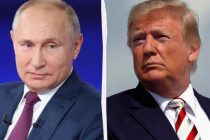 "Дедлайн" Трампа для Кремля може пройти тихо і без наслідків, - AP
 Збільшення видобутку ОПЕК+ та нові погрози Трампа тиснуть на ціни на нафту
 На лінії фронту в Україні зона ураження стає дедалі глибшою: в The Economist назвали причини
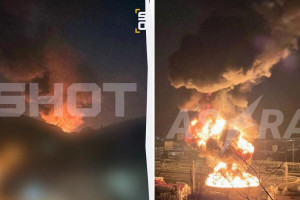
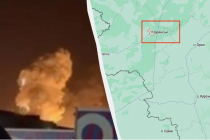 У російському Брянську пролунали потужні вибухи в районі аеропорту
 Трампу імпічмент, Венсу – посаду: Маск продовжує підливати масла у вогонь
 Росія масовано атакувала Україну дронами і ракетами: є руйнування і постраждалі
 Нічний удар Росії по Україні: жителі деяких міст залишилися без світла
 Росія планує у 2026 році захопити дві області та відрізати Україну від Чорного моря, - ОП
 У США закликали видворити Маска з країни після сварки з Трампом, - The Hill
 Низка поїздів спізнюється через наслідки атаки на Київ
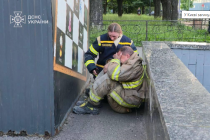 Під час нічного удару росіян у Києві загинули рятувальники
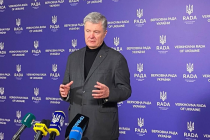 Порошенко залишив собі слона і причіп, а всі дохідні активи намагався переписати на дружину, - ЗМІ
 В Україні з'явиться військовий омбудсмен: Рада зробила перший крок
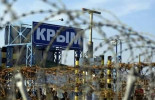
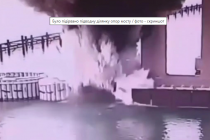 Унікальна спецоперація: СБУ втретє вразила Кримський міст
 Британія готова судитися з Абрамовичем, щоб передати Україні гроші із продажу "Челсі"
 Ключовий союзник Трампа підтримав законопроект про пекельні санкції проти РФ
 Росіяни зберігають можливості для масованих авіаударів, але тепер вони обмежені, - експерт
 Олена Тополя відверто зізналася, що робила пластику грудей
 Як рясні дощі вплинуть на врожай картоплі в Україні: відповідь фермера
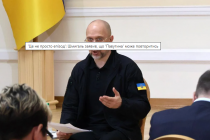 "Це не просто епізод": Шмигаль заявив, що "Павутина" може повторитись
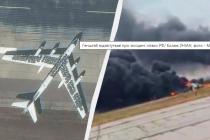 Генштаб відзвітував про знищення 12 російських літаків
The Spanish prime minister and the separatist leader of Catalonia are to meet in Barcelona as demonstrators prepare to take to the streets to mark the first anniversary of the snap regional election.
Pedro Sánchez, whose Socialist administration has taken a more conciliatory approach to the independence issue than its conservative predecessor, will meet Quim Torra late on Thursday afternoon.
Sánchez and his ministers are holding a meeting in the Catalan capital the following day, a decision that has angered hardline independence campaigners.
Secessionists claim the cabinet’s choice of meeting in Barcelona, exactly a year after the vote called by the previous Spanish government, which seized control of the region following a unilateral independence referendum and subsequent independence declaration, is deliberate and provocative.
Protesters have promised a day of demonstrations against the central government’s presence in the city on Friday.
Groups of activists, whose blockades of roads and railways have previously been praised by Torra, have said they will take to the streets to “defend the right to self-determination … and to confront the oppressive state”.
A picture posted on Twitter by the Committees for the Defence of the Republic showed a burning photograph of King Felipe, and was accompanied by the caption: “On 21 December, we’ll be ungovernable.”
A massive police operation will aim to ensure the cabinet meeting goes ahead with minimal disruption, but senior officers will be keen to avoid any repetition of the police violence that marred the independence referendum 14 months ago.
Jordi Turull, one of the jailed Catalan leaders facing trial next year over his role in the push for independence, said the cabinet meeting should not be held in Catalonia a year after the regional election.
“Over 10% of lawmakers elected that day are in jail or in exile,” he told Agence France-Presse this week. “To come on that day is a provocation.”
But Turull, a former regional government spokesman whose hunger strike with three colleagues ended on Thursday, said violent protests would not help the independence cause.
“I would not like it if people, with their faces covered, demanded my freedom,” he said. “We have to do as we have always done, which is to protest peacefully.”
The first anniversary of the referendum – which was held in defiance of the central government and ruled illegal by Spain’s constitutional court – saw angry pro-independence activists blocking roads and railway lines and jostling with police outside the Catalan parliament.
Torra was widely criticised for encouraging the protesters by urging them to “keep up the pressure”.
The regional president, who has a history of bombastic and anti-Spanish pronouncements, came under further pressure this month when he called on Catalans to emulate Slovenia’s path to independence.
Slovenia’s declaration of independence in 1991 led to a 10-day war against the Yugoslav army in which dozens of people were killed.
Torra’s exhortation prompted an angry rebuke from the Slovenian prime minister, Marjan Šarec, who said he saw “no parallels” between his country and Catalonia.
Sánchez, meanwhile, said comparisons with Slovenia or Kosovo demonstrated “a lack of historical knowledge, an unacceptable manipulation and the desperation of someone who’s run out of arguments to support his political ideas and has resorted to lies”.
The Spanish prime minister has offered to increase Catalonia’s powers of self-government but has flatly refused to discuss independence, saying any negotiations must respect the constitution, which is founded on the “indissoluble unity of the Spanish nation”.
Sánchez recently warned the Catalan government that any breach of the law would be met with a “calm but firm, proportionate and robust response”.
Torra’s push for independence, which follows that of his predecessor, Carles Puigdemont, remains deeply divisive in Catalonia. Polls suggest the region is roughly evenly split on whether to leave Spain.
While a majority of Catalans favour an independence referendum if it is jointly agreed to by Madrid and Barcelona, separatist parties have never managed to take 50% of the vote in the regional parliament.
Last year the three separatist parties won 47% of the vote and a total of 70 seats in the 135-seat regional parliament. The centre-right, pro-unionist Citizens party was the single biggest winner, taking 37 seats and 25% of the vote.
















































































 Следите за нами в Facebook