




 Уряд РФ готується до падіння експорту нафти до Індії на 30% та дефіциту бюджету
 Саміт на Алясці став "великою аферою" Путіна, - WSJ
 Моді відмовився зупинити імпорт російської нафти, - Bloomberg
 Індія зухвало відмовила Трампу, нагадавши про торгівлю США і РФ
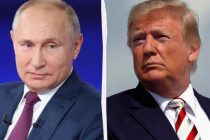 "Дедлайн" Трампа для Кремля може пройти тихо і без наслідків, - AP
 Збільшення видобутку ОПЕК+ та нові погрози Трампа тиснуть на ціни на нафту
 На лінії фронту в Україні зона ураження стає дедалі глибшою: в The Economist назвали причини
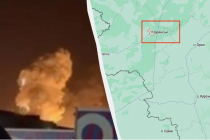 У російському Брянську пролунали потужні вибухи в районі аеропорту
 Трампу імпічмент, Венсу – посаду: Маск продовжує підливати масла у вогонь
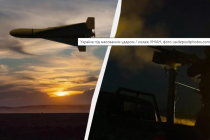 Росія масовано атакувала Україну дронами і ракетами: є руйнування і постраждалі
 Нічний удар Росії по Україні: жителі деяких міст залишилися без світла
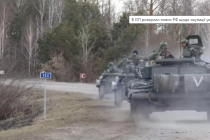 Росія планує у 2026 році захопити дві області та відрізати Україну від Чорного моря, - ОП
 У США закликали видворити Маска з країни після сварки з Трампом, - The Hill
 Низка поїздів спізнюється через наслідки атаки на Київ
 Під час нічного удару росіян у Києві загинули рятувальники
 Порошенко залишив собі слона і причіп, а всі дохідні активи намагався переписати на дружину, - ЗМІ
 В Україні з'явиться військовий омбудсмен: Рада зробила перший крок
 Унікальна спецоперація: СБУ втретє вразила Кримський міст
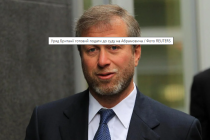 Британія готова судитися з Абрамовичем, щоб передати Україні гроші із продажу "Челсі"
 Ключовий союзник Трампа підтримав законопроект про пекельні санкції проти РФ
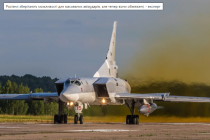 Росіяни зберігають можливості для масованих авіаударів, але тепер вони обмежені, - експерт
 Олена Тополя відверто зізналася, що робила пластику грудей
 Як рясні дощі вплинуть на врожай картоплі в Україні: відповідь фермера
 "Це не просто епізод": Шмигаль заявив, що "Павутина" може повторитись
 Генштаб відзвітував про знищення 12 російських літаків
The UK economy grew by 0.6% in the three months to September, with warm weather boosting consumer spending, the Office for National Statistics said.
The figure for the third quarter is in line with predictions from the Bank of England and other forecasters.
However, buoyant growth in July was offset by a slowdown in August and September.
It is the highest quarterly growth figure since the fourth quarter of 2016, when the economy grew 0.7%.
Analysts warned the economy had "little underlying momentum" and growth would decline in the final three months.
The ONS also issued a separate monthly figure for September, which, like the previous month, showed zero growth.
Services, which make up three-quarters of the economy, only grew by 0.3% in the three months to September.
After a slow start to the year, construction activity grew by 2.1% in the quarter. Manufacturing also picked up after a slow second quarter, thanks to strong car manufacturing numbers for the quarter.
Household spending grew by 0.5% in the quarter, but business investment shrank by 1.2%, suggesting uncertainty among companies over the effects of Brexit.
Business investment had been expected to rise by 0.2%, according to forecasts. It has now contracted for three quarters in a row.
The overall picture is one of an economy still recovering from an exceptionally weak, weather-affected start to the year. Construction and energy production both had a strong quarter and the weather played its part again in July, as sunshine and the World Cup boosted consumer spending. It's the strongest quarter for nearly two years, but the economy didn't keep up the strong momentum of July, with August and September registering no additional growth at all.
Worryingly but perhaps not surprisingly, business investment was down sharply, matching anecdotal evidence of firms' caution ahead of Brexit. Although car production was up compared with the second quarter of this year, it is down compared with the same period last year and domestic car sales were very weak - it's exports that are keeping the car industry ticking over.
Plenty for the chancellor to be cheerful about today, but a third quarter of falling business investment - the first time that's happened since the financial crisis - shows that firms think the sun may be shining now, but big clouds are looming.





































































































 Следите за нами в Facebook