




 Уряд РФ готується до падіння експорту нафти до Індії на 30% та дефіциту бюджету
 Саміт на Алясці став "великою аферою" Путіна, - WSJ
 Моді відмовився зупинити імпорт російської нафти, - Bloomberg
 Індія зухвало відмовила Трампу, нагадавши про торгівлю США і РФ
 "Дедлайн" Трампа для Кремля може пройти тихо і без наслідків, - AP
 Збільшення видобутку ОПЕК+ та нові погрози Трампа тиснуть на ціни на нафту
 На лінії фронту в Україні зона ураження стає дедалі глибшою: в The Economist назвали причини
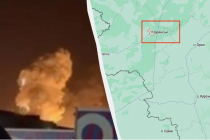 У російському Брянську пролунали потужні вибухи в районі аеропорту
 Трампу імпічмент, Венсу – посаду: Маск продовжує підливати масла у вогонь
 Росія масовано атакувала Україну дронами і ракетами: є руйнування і постраждалі
 Нічний удар Росії по Україні: жителі деяких міст залишилися без світла
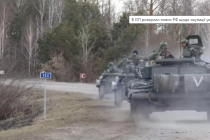 Росія планує у 2026 році захопити дві області та відрізати Україну від Чорного моря, - ОП
 У США закликали видворити Маска з країни після сварки з Трампом, - The Hill
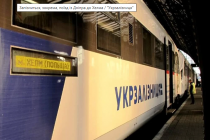 Низка поїздів спізнюється через наслідки атаки на Київ
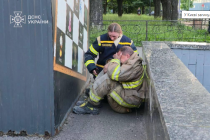 Під час нічного удару росіян у Києві загинули рятувальники
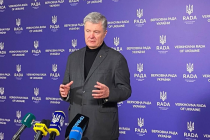 Порошенко залишив собі слона і причіп, а всі дохідні активи намагався переписати на дружину, - ЗМІ
 В Україні з'явиться військовий омбудсмен: Рада зробила перший крок
 Унікальна спецоперація: СБУ втретє вразила Кримський міст
 Британія готова судитися з Абрамовичем, щоб передати Україні гроші із продажу "Челсі"
 Ключовий союзник Трампа підтримав законопроект про пекельні санкції проти РФ
 Росіяни зберігають можливості для масованих авіаударів, але тепер вони обмежені, - експерт
 Олена Тополя відверто зізналася, що робила пластику грудей
 Як рясні дощі вплинуть на врожай картоплі в Україні: відповідь фермера
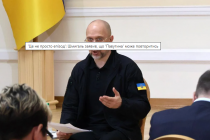 "Це не просто епізод": Шмигаль заявив, що "Павутина" може повторитись
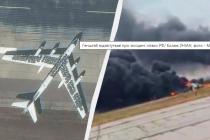 Генштаб відзвітував про знищення 12 російських літаків
Today, May 18, Ukraine honors the victims of deportation of the Crimean Tatar people and marks the Day of Struggle for the Rights of the Crimean Tatar People.
The deportation of the Crimean Tatars began at 03:00 on May 18, 1944 and lasted until the beginning of June.
Despite the fact that representatives of the Crimean Tatar people fought in the ranks of the Red Army and even participated in the guerilla movement, the Soviet State Defense Committee accused them of allegedly mass treason and collaboration with the Third Reich, which became the reason for deportation. Undoubtedly, this was an act of genocide and ethnocide, as evidenced by the accusation of the whole people of treason and the application of the principle of collective responsibility.
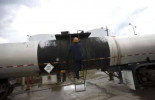
Some 183,144 Crimean Tatars were deported according to official figures and 228,500 – according to the Tatar sources. Over 110,000 people died during the first year and a half. Some 32,000 NKVD officers participated in the punitive operation. Men, women, children, and the elderly were driven to the railroad cars used to transport cattle and sent on 70 trains several thousand kilometers away from their home. People were given from a few minutes to half an hour to take their personal belongings, food, the dishes and household equipment. It is clear that most of the property remained and was confiscated by the state. The major part of the deportees was sent to a special settlement in Uzbekistan, some to the Gulag, and another part to replenish the special contingent for the Moscow Coal Basin.
Deportation was one of the means of "de-Tatarization" of Crimea. Cultural and historical monuments were destroyed, and the historical names of the places were replaced by new ones such as "Sovetsky," "Pervomaysk," "Krasnogvardeysk" etc. Crimea was inhabited by immigrants from Russia and other republics. During the post-war period, the population in Crimea increased by almost ten times.
After the transfer of Crimea to the Ukrainian SSR in 1954, a decree was issued (but not published) in 1956 on the rehabilitation of the Crimean Tatars, but practically without the right to return home in Crimea. The mass return of the Crimean Tatars to their homeland began only in the late 1980s. It seemed that peace finally came and it was possible to live calmly and freely on the native land, but Crimean land again became the object of Russia's encroachment, and the Crimean Tatars were (and are) subject to repression. The Crimean Tatar people consistently called for the preservation of the territorial integrity of Ukraine and opposed the annexation of Crimea by Russia in March 2014, as well as did not recognize Russian occupation of Crimea. Russia, in turn, banned the entry of Crimean Tatar leaders Mustafa Dzhemilev and Refat Chubarov. As of February 2015, out of 300,000 Crimean Tatar people, about 10,000 people were forced to leave Crimea.
Taking into account these circumstances, the Ukrainian president issued a decree on May 16, 2014 that established the Day of Struggle for the Rights of the Crimean Tatar People. On November 12, 2015, the Verkhovna Rada of Ukraine recognized the deportation as genocide and proclaimed May 18 as the Day of Remembrance for the Victims of Genocide against the Crimean Tatar People.
































































































 Следите за нами в Facebook