




 Уряд РФ готується до падіння експорту нафти до Індії на 30% та дефіциту бюджету
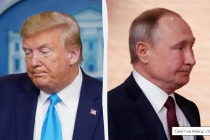 Саміт на Алясці став "великою аферою" Путіна, - WSJ
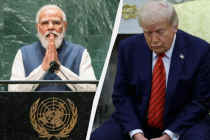 Моді відмовився зупинити імпорт російської нафти, - Bloomberg
 Індія зухвало відмовила Трампу, нагадавши про торгівлю США і РФ
 "Дедлайн" Трампа для Кремля може пройти тихо і без наслідків, - AP
 Збільшення видобутку ОПЕК+ та нові погрози Трампа тиснуть на ціни на нафту
 На лінії фронту в Україні зона ураження стає дедалі глибшою: в The Economist назвали причини
 У російському Брянську пролунали потужні вибухи в районі аеропорту
 Трампу імпічмент, Венсу – посаду: Маск продовжує підливати масла у вогонь
 Росія масовано атакувала Україну дронами і ракетами: є руйнування і постраждалі
 Нічний удар Росії по Україні: жителі деяких міст залишилися без світла
 Росія планує у 2026 році захопити дві області та відрізати Україну від Чорного моря, - ОП
 У США закликали видворити Маска з країни після сварки з Трампом, - The Hill
 Низка поїздів спізнюється через наслідки атаки на Київ
 Під час нічного удару росіян у Києві загинули рятувальники
 Порошенко залишив собі слона і причіп, а всі дохідні активи намагався переписати на дружину, - ЗМІ
 В Україні з'явиться військовий омбудсмен: Рада зробила перший крок
 Унікальна спецоперація: СБУ втретє вразила Кримський міст
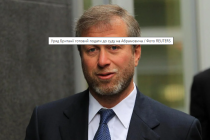 Британія готова судитися з Абрамовичем, щоб передати Україні гроші із продажу "Челсі"
 Ключовий союзник Трампа підтримав законопроект про пекельні санкції проти РФ
 Росіяни зберігають можливості для масованих авіаударів, але тепер вони обмежені, - експерт
 Олена Тополя відверто зізналася, що робила пластику грудей
 Як рясні дощі вплинуть на врожай картоплі в Україні: відповідь фермера
 "Це не просто епізод": Шмигаль заявив, що "Павутина" може повторитись
 Генштаб відзвітував про знищення 12 російських літаків
Last month Pink Floyd frontman David Gilmour sold his guitar collection for US$21.5 million (S$29 million), including one piece - his famed "Black Strat" Fender Stratocaster - that went for nearly US$4 million to the owner of the US National Football League's Indianapolis Colts.
The "Money" singer set a musical instrument sales record in the charity auction, marking yet another milestone for a booming market just weeks after New York-based art dealer Sotheby's Holdings auctioned Claude Monet's "Meules" for US$110.7 million, the most ever for an Impressionist painting.
And it is not just instruments or paintings in high demand among the world's billionaire set. Auction houses themselves now appear to be prized vanity purchases: Just a few days before the Pink Floyd auction, Franco-Israeli cable magnate Patrick Drahi, whose firm Altice earned significant money in the United States, made a US$3.7 billion bid for Sotheby's, which had just hosted the Monet sale.
Welcome to the longest US economic expansion in history, one perhaps best characterised by the excesses of extreme wealth and an ever-widening chasm between the unfathomably rich and everyone else.
Indeed, as the expansion entered its record-setting 121st month on Monday (July 1), signs of a new Gilded Age are all over.
Big-money deals are getting bigger, from corporate mergers and acquisitions, to individuals buying luxury penthouses, sports teams, yachts and all-frills pilgrimages to the ends of the earth. And while these deals grab headlines, there is a deeper trend at work. The number of billionaires in the United States has more than doubled in the past decade, from 267 in 2008 to 607 last year, according to UBS.
"The rich have gotten richer and they've gotten richer faster," said John Mathews, Head of Private Wealth Management and Ultra High Net Worth at UBS Global Wealth Management. "The drive or the desire for consumption has just gone upscale."
But there are also signs of struggle and stagnation at lower-income levels. The wealthiest fifth of Americans hold 88 per cent of the country's wealth, a share that has grown since before the crisis, Federal Reserve data through 2016 shows. Meanwhile, the number of people receiving federal food stamps tops 39 million, below the peak in 2013 but still up 40 per cent from 2008 even though the country's population has only grown about 8 per cent.
Still, a decade ago, this kind of growth was not thought possible. The US financial system was in a shambles and people feared bank failures could permanently undermine capitalism.
Policymakers scrambled to stabilise markets and boost asset prices when US housing markets unravelled. They did less to tackle income and wealth inequality.
Now, many of the signs of mega-wealth that preceded that financial crisis are once again on display.
WEALTH EFFECT
The examples are big and small.
The cost of a dinner at the French Laundry, the chic California restaurant, is up 35 per cent to US$325 per person, from US$240 a decade ago, beating inflation by nearly 20 per cent.
Undergraduate tuition at Ivy League mainstay Columbia University is a hair under US$60,000 a year, up by half from US$39,000 in the 2008 school year.
The US stock market, measured by the S&P 500, has tripled in the past decade.
Hedge fund boss Ken Griffin set a record for a US home sale when he bought a US$238 million penthouse condominium on "Billionaires' Row" just off New York City's Central Park.
Yet rents in New York have risen twice as fast as wages, according to StreetEasy data from 2010-2017, squeezing lower-income residents. US home prices were near their lowest levels of affordability since 2008, research by ATTOM Data Solutions shows. And the number of homeless people sleeping in the city's shelters is 70 per cent higher than a decade ago, according to the Coalition for the Homeless, an advocacy group.
"Under-resourced areas are not getting any better; the housing opportunity for them is not getting any better," said Carolyn Valli, CEO at Central Berkshire Habitat For Humanity, in Pittsfield, Massachusetts, at a recent economic policy event.
She said high healthcare costs and a lack of large employers mean fewer jobs in some areas. Food, utilities and housing costs, meanwhile, remain high. "It doesn't feel like a boom yet."
Anger over what some see as the unfairness of the economy has bubbled into the country's politics, with Democratic presidential candidates promising to lower healthcare costs, guarantee jobs and tax the rich.
Economic policymakers think the expansion could dim as stimulus from tax cuts and low interest rates fades while a US-China trade skirmish brews. They worry that even the underwhelming gains made by low-income people in the past decade are fragile and that people only recently brought into the workforce could be the first fired when a recession hits.
"The benefits of this long recovery are now reaching these communities to a degree that has not been felt for many years," Federal Reserve Chairman Jerome Powell said last week. "Many people who in the past struggled to stay in the workforce are now getting an opportunity to add new and better chapters to their life stories. All of this underscores how important it is to sustain this expansion."












































































































 Следите за нами в Facebook