



 Уряд РФ готується до падіння експорту нафти до Індії на 30% та дефіциту бюджету
 Саміт на Алясці став "великою аферою" Путіна, - WSJ
 Моді відмовився зупинити імпорт російської нафти, - Bloomberg
 Індія зухвало відмовила Трампу, нагадавши про торгівлю США і РФ
 "Дедлайн" Трампа для Кремля може пройти тихо і без наслідків, - AP
 Збільшення видобутку ОПЕК+ та нові погрози Трампа тиснуть на ціни на нафту
 На лінії фронту в Україні зона ураження стає дедалі глибшою: в The Economist назвали причини
 У російському Брянську пролунали потужні вибухи в районі аеропорту
 Трампу імпічмент, Венсу – посаду: Маск продовжує підливати масла у вогонь
 Росія масовано атакувала Україну дронами і ракетами: є руйнування і постраждалі
 Нічний удар Росії по Україні: жителі деяких міст залишилися без світла
 Росія планує у 2026 році захопити дві області та відрізати Україну від Чорного моря, - ОП
 У США закликали видворити Маска з країни після сварки з Трампом, - The Hill
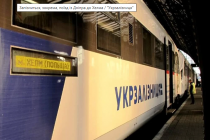 Низка поїздів спізнюється через наслідки атаки на Київ
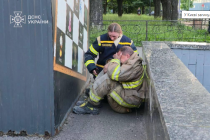 Під час нічного удару росіян у Києві загинули рятувальники
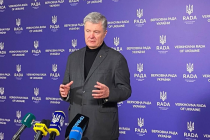 Порошенко залишив собі слона і причіп, а всі дохідні активи намагався переписати на дружину, - ЗМІ
 В Україні з'явиться військовий омбудсмен: Рада зробила перший крок
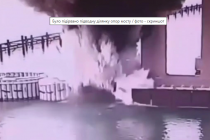 Унікальна спецоперація: СБУ втретє вразила Кримський міст
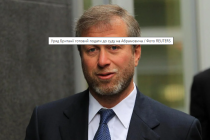 Британія готова судитися з Абрамовичем, щоб передати Україні гроші із продажу "Челсі"
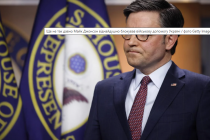 Ключовий союзник Трампа підтримав законопроект про пекельні санкції проти РФ
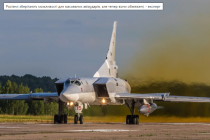 Росіяни зберігають можливості для масованих авіаударів, але тепер вони обмежені, - експерт
 Олена Тополя відверто зізналася, що робила пластику грудей
 Як рясні дощі вплинуть на врожай картоплі в Україні: відповідь фермера
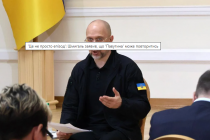 "Це не просто епізод": Шмигаль заявив, що "Павутина" може повторитись
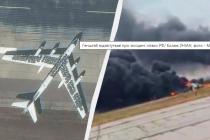 Генштаб відзвітував про знищення 12 російських літаків
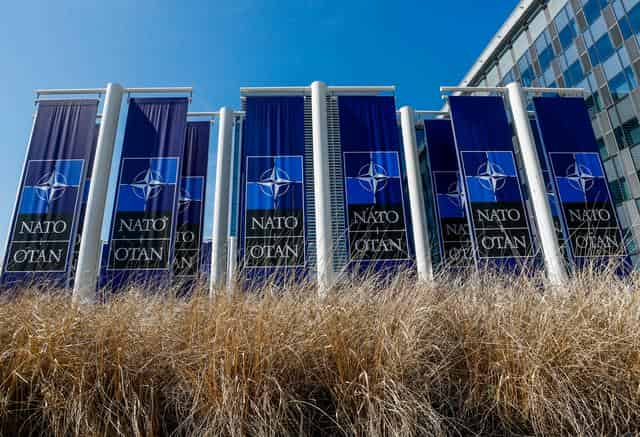
NATO defense ministers considered on Wednesday how to deter Russia from launching a missile attack at short notice on Europe if a landmark treaty against land-based nuclear warheads collapses next month.
Barring a last-minute reversal by Russia that NATO does not expect, the United States is set to pull out of the 1987 Intermediate-range Nuclear Forces Treaty (INF) on Aug. 2 citing Russia’s development of a missile that breaks the accord.
Moscow says it is fully compliant with the INF treaty negotiated by U.S. President Ronald Reagan and Soviet leader Mikhail Gorbachev, which eliminated the medium-range missile arsenals of the world’s two biggest nuclear powers.
“Ministers have agreed that NATO will respond should Russia fail to return to compliance,” Secretary-General Jens Stoltenberg told reporters after the meeting in Brussels.
“They will have to bear the full responsibility for the demise of the treaty,” although he said NATO would not place nuclear-capable, land-based medium-range missiles in Europe, as happened in the 1980s.
U.S. and British intelligence shows Russia has conducted tests of the SSC-8 ground-launched cruise missile that violate the treaty ban on land-based missiles with a range of 500 km to 5,500km (300-3,400 miles), NATO diplomats say.
NATO says the missiles are hard to detect and have a shorter warning time than long-range rockets, raising the chances of nuclear weapons being used in conflict.
The missile dispute marks a further worsening of East-West ties that have deteriorated since Russia’s 2014 seizure of Crimea and has prompted fears of an arms race between Russia, the United States and China, which is also developing missiles.
Stoltenberg said defense ministers looked at options including more exercises, using conventional weapons and improving intelligence and surveillance, as well as air defense.
Diplomats told Reuters that flights of F16 warplanes and B52 bombers capable of carrying nuclear warheads and re-positioning sea-based missile systems were also under consideration.
Such steps are meant to underline NATO’s determination to protect Europe and raise the economic and military costs for Russia of any possible missile attack.
Luxembourg’s Defence Minister François Bausch said that while diplomats would continue to urge Moscow to destroy the SSC-8 missile, NATO also needed “a military answer” because the security of Europe was at stake.




























































































 Следите за нами в Facebook