



 Уряд РФ готується до падіння експорту нафти до Індії на 30% та дефіциту бюджету
 Саміт на Алясці став "великою аферою" Путіна, - WSJ
 Моді відмовився зупинити імпорт російської нафти, - Bloomberg
 Індія зухвало відмовила Трампу, нагадавши про торгівлю США і РФ
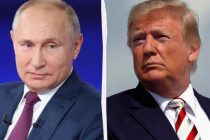 "Дедлайн" Трампа для Кремля може пройти тихо і без наслідків, - AP
 Збільшення видобутку ОПЕК+ та нові погрози Трампа тиснуть на ціни на нафту
 На лінії фронту в Україні зона ураження стає дедалі глибшою: в The Economist назвали причини
 У російському Брянську пролунали потужні вибухи в районі аеропорту
 Трампу імпічмент, Венсу – посаду: Маск продовжує підливати масла у вогонь
 Росія масовано атакувала Україну дронами і ракетами: є руйнування і постраждалі
 Нічний удар Росії по Україні: жителі деяких міст залишилися без світла
 Росія планує у 2026 році захопити дві області та відрізати Україну від Чорного моря, - ОП
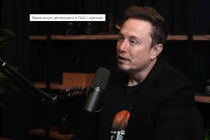 У США закликали видворити Маска з країни після сварки з Трампом, - The Hill
 Низка поїздів спізнюється через наслідки атаки на Київ
 Під час нічного удару росіян у Києві загинули рятувальники
 Порошенко залишив собі слона і причіп, а всі дохідні активи намагався переписати на дружину, - ЗМІ
 В Україні з'явиться військовий омбудсмен: Рада зробила перший крок
 Унікальна спецоперація: СБУ втретє вразила Кримський міст
 Британія готова судитися з Абрамовичем, щоб передати Україні гроші із продажу "Челсі"
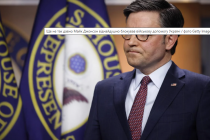 Ключовий союзник Трампа підтримав законопроект про пекельні санкції проти РФ
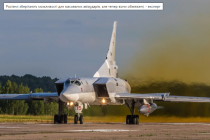 Росіяни зберігають можливості для масованих авіаударів, але тепер вони обмежені, - експерт
 Олена Тополя відверто зізналася, що робила пластику грудей
 Як рясні дощі вплинуть на врожай картоплі в Україні: відповідь фермера
 "Це не просто епізод": Шмигаль заявив, що "Павутина" може повторитись
 Генштаб відзвітував про знищення 12 російських літаків
In its struggle with China over trade and national security, the U.S. has many legitimate grievances, and a variety of weapons for seeking redress. That doesn’t mean it should use all of them.
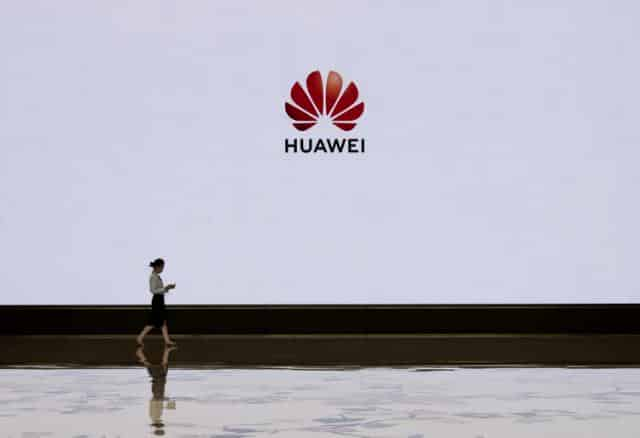
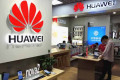
The nuclear missile the U.S. just launched at Huawei Technologies Co. Ltd. is a case in point. Last week, the Commerce Department placed Huawei and nearly 70 of its affiliates on an “Entity List,” which means that U.S. suppliers may now need a license to do business with them. Both Huawei’s mobile phones and its network equipment rely on American components, including advanced semiconductors. If the ban is applied stringently, it could drive one of China’s most high-profile companies — employing more than 180,000 people — out of business.
That would be a serious mistake. The U.S. has long argued that Huawei poses a national-security threat. And there certainly are legitimate reasons to worry that incorporating Huawei gear into America’s networks will leave them vulnerable both to spying and, in the event of a conflict, sabotage. But the U.S. is already taking other prudent steps to prevent Huawei equipment from being used domestically. Seeking to put the company out of business as well is both disproportionate and deeply unwise.
For one thing, it will impose collateral damage. Blameless companies around the world — including Huawei’s American suppliers — could lose business, face disruptions and incur significant new costs. Allies that have resisted U.S. pressure to shun Huawei’s equipment will resent being backed into a corner: Even if President Donald Trump loosens the noose a bit, they can hardly take the chance that restrictions won’t be re-imposed later. China will only redouble its efforts to produce advanced technologies domestically.
As a negotiating strategy, the decision makes even less sense. U.S. officials claim it had nothing to do with stalled trade talks, but it certainly looks like Trump wants to use Huawei as leverage, just as he did last year with ZTE Corp. Trump has already invoked national security far too often in pursuing his scattered trade battles. Doing so here would set another terrible precedent while almost certainly backfiring: It will aggravate the current impasse and give Beijing little incentive to abide by any eventual agreement.
Worse, the decision undermines the implicit point of any U.S.-China trade deal: not just to increase commerce but to stabilize relations between the world’s two most powerful nations. While tensions are inevitable, a healthy trading relationship should in theory restore ballast, reminding both sides of the benefits of cooperation and strengthening constituencies that have reason to prefer peace to war. By contrast, targeting Huawei so nakedly will only further marginalize the few moderates in the Chinese leadership and embolden hawks who see conflict as unavoidable. For ordinary Chinese, it will be hard to avoid the impression that the U.S. is simply trying to limit their economic possibilities.
Even on its own terms, finally, this gambit is likely to fail. To be effective, an assault on Huawei would need to be embedded in a larger strategy with a clearer endgame in mind. That’s nowhere in evidence: Is the aim to cripple China’s tech industry? Teach the country its place? Give a boost to non-Chinese suppliers? Provoke a conflict? End one? Without a more focused goal, Trump risks simply alienating U.S. allies, infuriating average Chinese and raising the chances of confrontation, all to no obvious end.
What the U.S. needs is a larger plan that seeks a healthier coexistence with China. That means building up America’s defenses, leveraging its competitive strengths, working with allies to pressure China to conform to global norms, and taking the lead in writing new rules that can constrain its more disruptive behavior. Crushing Huawei, by contrast, simply looks like a strategic miscalculation — and one with potentially disastrous consequences.














































































































 Следите за нами в Facebook