




 Уряд РФ готується до падіння експорту нафти до Індії на 30% та дефіциту бюджету
 Саміт на Алясці став "великою аферою" Путіна, - WSJ
 Моді відмовився зупинити імпорт російської нафти, - Bloomberg
 Індія зухвало відмовила Трампу, нагадавши про торгівлю США і РФ
 "Дедлайн" Трампа для Кремля може пройти тихо і без наслідків, - AP
 Збільшення видобутку ОПЕК+ та нові погрози Трампа тиснуть на ціни на нафту
 На лінії фронту в Україні зона ураження стає дедалі глибшою: в The Economist назвали причини
 У російському Брянську пролунали потужні вибухи в районі аеропорту
 Трампу імпічмент, Венсу – посаду: Маск продовжує підливати масла у вогонь
 Росія масовано атакувала Україну дронами і ракетами: є руйнування і постраждалі
 Нічний удар Росії по Україні: жителі деяких міст залишилися без світла
 Росія планує у 2026 році захопити дві області та відрізати Україну від Чорного моря, - ОП
 У США закликали видворити Маска з країни після сварки з Трампом, - The Hill
 Низка поїздів спізнюється через наслідки атаки на Київ
 Під час нічного удару росіян у Києві загинули рятувальники
 Порошенко залишив собі слона і причіп, а всі дохідні активи намагався переписати на дружину, - ЗМІ
 В Україні з'явиться військовий омбудсмен: Рада зробила перший крок
 Унікальна спецоперація: СБУ втретє вразила Кримський міст
 Британія готова судитися з Абрамовичем, щоб передати Україні гроші із продажу "Челсі"
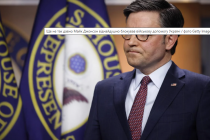 Ключовий союзник Трампа підтримав законопроект про пекельні санкції проти РФ
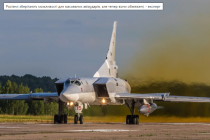 Росіяни зберігають можливості для масованих авіаударів, але тепер вони обмежені, - експерт
 Олена Тополя відверто зізналася, що робила пластику грудей
 Як рясні дощі вплинуть на врожай картоплі в Україні: відповідь фермера
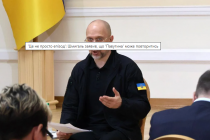 "Це не просто епізод": Шмигаль заявив, що "Павутина" може повторитись
 Генштаб відзвітував про знищення 12 російських літаків
A Polish NGO has filed a lawsuit against US-based social media giant Facebook, following concerns that the organisation’s freedom of speech was stymied on the platform. The case is considered the first in Europe to address the issue of “private censorship”.
The move comes after fan pages and groups belonging to the Civil Society Drug Policy Initiative (SIN), a substance abuse support group, were removed in purported violation of Facebook’s community standards.
The SIN group has also suffered setbacks on Facebook-owned Instagram, where its account was removed in January 2019.
SIN claim that articles 23 and 24 of the Polish Civil Code have been breached as a result of the take downs, infringing on the group’s rights including freedom of speech as well as damaging its reputation.
The group’s main aim in their online communications channels, they say, is to provide drug education and warnings against the “harmful effects of psychoactive substances.” Its drug-prevention strategy is to reach out to young people “who tend not to listen to experts or teachers but who are very active on social media.”
SIN’s approach to drug abuse prevention has been backed by a number of global institutions, including the United Nations, the EU and the Red Cross.
“By blocking our communication channels, Facebook made it difficult for us to help people who need it the most,” Jerzy Afanasjew of SIN said in a statement. “It also undermined our reputation by suggesting that we do something illegal.”
In documents seen by EURACTIV as part of the case, SIN adds that it aims “to fight to defend the rights of users whose freedom of expression was unduly restricted by arbitrary banning by the tech giant”. A fair world wide web should be free from censorship not only by the state, “but also by private companies,” it adds.
The case, which is being brought before the Warsaw District Court on Tuesday (7 May), is supported by the Panoptykon Foundation, a Polish NGO whose proclaimed mission “is to protect fundamental rights and freedoms in the context of fast-changing technologies.”
Dorota Głowacka, a lawyer at the Panoptykon Foundation, explained the rationale behind the court case.
“The strategic goal of our court case is to challenge online platforms and incentivise them to move away from their current opaque and arbitrary methods of content moderation and to introduce measures which will better protect our freedom of speech,” she said.
“‘The user has to be informed why his or her content was blocked and be able to present arguments in his or her defence.”
At the time of reporting, Facebook has not responded to EURACTIV’s request for comment.
This is not the first time that the social media giant has faced a lawsuit that aims to change the way the company does its business. In the past, strategic litigation has proved an effective method of pressure against Facebook’s practices.
Austrian activist Max Schrems filed a complaint against Facebook’s US-EU data transfer practices in 2013, forcing the European Commission to admit that adequate safeguards for data transfer between the US and the EU could not be guaranteed.
In a more recent case earlier this year, a historic civil rights settlement was agreed between Facebook and the American Civil Liberties Union over challenges to Facebook’s paid advertising platform.
The complaint resulted in sweeping changes to Facebook’s advertising approach, removing discriminatory elements of the social media giant’s targeted ads framework.
In December 2018, the Polish Ministry of Digital Affairs signed a memorandum of understanding with Facebook, that laid out provisions for Polish users of the platform to have the additional right to challenge content removals. Facebook, however, would continue to reserve the final decision on any takedowns.
For Głowacka, decisions regarding content moderation shouldn’t be left solely to Facebook.
“Final decisions of platforms [on content removals] should be subject to independent scrutiny by the courts” she said. “Our case is about Facebook but we hope it will set standards that will also influence policies of other platforms.”



























































































































 Следите за нами в Facebook