




 Уряд РФ готується до падіння експорту нафти до Індії на 30% та дефіциту бюджету
 Саміт на Алясці став "великою аферою" Путіна, - WSJ
 Моді відмовився зупинити імпорт російської нафти, - Bloomberg
 Індія зухвало відмовила Трампу, нагадавши про торгівлю США і РФ
 "Дедлайн" Трампа для Кремля може пройти тихо і без наслідків, - AP
 Збільшення видобутку ОПЕК+ та нові погрози Трампа тиснуть на ціни на нафту
 На лінії фронту в Україні зона ураження стає дедалі глибшою: в The Economist назвали причини
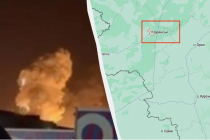 У російському Брянську пролунали потужні вибухи в районі аеропорту
 Трампу імпічмент, Венсу – посаду: Маск продовжує підливати масла у вогонь
 Росія масовано атакувала Україну дронами і ракетами: є руйнування і постраждалі
 Нічний удар Росії по Україні: жителі деяких міст залишилися без світла
 Росія планує у 2026 році захопити дві області та відрізати Україну від Чорного моря, - ОП
 У США закликали видворити Маска з країни після сварки з Трампом, - The Hill
 Низка поїздів спізнюється через наслідки атаки на Київ
 Під час нічного удару росіян у Києві загинули рятувальники
 Порошенко залишив собі слона і причіп, а всі дохідні активи намагався переписати на дружину, - ЗМІ
 В Україні з'явиться військовий омбудсмен: Рада зробила перший крок
 Унікальна спецоперація: СБУ втретє вразила Кримський міст
 Британія готова судитися з Абрамовичем, щоб передати Україні гроші із продажу "Челсі"
 Ключовий союзник Трампа підтримав законопроект про пекельні санкції проти РФ
 Росіяни зберігають можливості для масованих авіаударів, але тепер вони обмежені, - експерт
 Олена Тополя відверто зізналася, що робила пластику грудей
 Як рясні дощі вплинуть на врожай картоплі в Україні: відповідь фермера
 "Це не просто епізод": Шмигаль заявив, що "Павутина" може повторитись
 Генштаб відзвітував про знищення 12 російських літаків
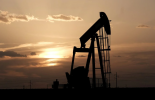
The United States on Monday demanded that buyers of Iranian oil stop purchases by May 1 or face sanctions, a move to choke off Tehran’s oil revenues which sent crude prices to six-month highs on fears of a potential supply crunch.
The Trump administration on Monday said it will not renew exemptions granted last year to buyers of Iranian oil, a more stringent than expected decision that caught several key importers who have been pleading with Washington to continue buying Iranian oil sanctions-free.
The United States reimposed sanctions in November on exports of Iranian oil after U.S. President Donald Trump last spring unilaterally pulled out of a 2015 accord between Iran and six world powers to curb Tehran’s nuclear program. Eight economies, including China and India, were granted waivers for six months, and several had expected those exemptions to be renewed.
Tehran remained defiant, saying it was prepared for the end of waivers, while the Revolutionary Guards repeated a threat to close the Strait of Hormuz, a major oil shipment channel in the Gulf, Iranian media reported.
The White House said it was working with top oil exporters Saudi Arabia and the United Arab Emirates to ensure the market was “adequately supplied.” Traders, already fretting about tight supplies, raised skepticism about whether this more stringent approach, along with ongoing sanctions on Venezuela’s oil industry, could backfire in the form of a major spike in prices.
“It is a surprise that the requirement to cease importing Iranian oil should come at this next May deadline,” said Elizabeth Rosenberg, director of the energy, economics and security program at Washington-based Center for a New American Security. “Having only several weeks’ notice before the deadline means there are lots of cargoes booked for May delivery. This means that it will now be harder to get it out by the deadline.”
Iran’s oil exports have dropped to about 1 million barrels per day (bpd) from more than 2.5 million bpd prior to the re-imposition of sanctions. U.S. Secretary of State Mike Pompeo, in a briefing Monday, said “we’re going to zero across the board,” saying the United States had no plans for a grace period for compliance beyond May 1.
The White House intends to deprive Iran of its lifeline of $50 billion in annual oil revenues, Pompeo said, as it pressures Tehran to curtail its nuclear program, ballistic missile tests and support for conflicts in Syria and Yemen.
A senior administration official said President Donald Trump was confident Saudi Arabia and the United Arab Emirates will fulfill their pledges to compensate for the shortfall in the oil market. U.S. Assistant Secretary of State for Energy Resources Frank Fannon said Riyadh was taking “active steps” to ensure global oil markets were well supplied.
Saudi Arabian Energy Minister Khalid al-Falih, in a statement on Monday, did not commit to raising production, saying it was “monitoring the oil market developments” after the U.S. statement, and that it would coordinate with other oil producers to ensure a balanced market. OPEC is next scheduled to meet in June.
While Saudi Arabia is expected to boost output again, analysts fear the U.S. move - along with sanctions on Venezuela - will leave the world with inadequate spare capacity.
The international Brent crude oil benchmark rose to more than $74 a barrel on Monday, the highest since November, due to the uncertainty surrounding increased supply from Saudi Arabia and other OPEC nations, while U.S. prices hit a peak of $65.92 a barrel, the highest since October 2018.
“Despite high and fast-rising oil prices and high geopolitical disruption risk, (Trump) is betting the farm that Saudi Arabia and the UAE will contain upward price pressure by more than offsetting Iranian oil,” said Robert McNally, president of Rapidan Energy Group, an energy consultancy.
In addition to China and India, the economies of Japan, South Korea, Taiwan, Turkey, Italy and Greece had also been granted waivers.































































































 Следите за нами в Facebook