



 Уряд РФ готується до падіння експорту нафти до Індії на 30% та дефіциту бюджету
 Саміт на Алясці став "великою аферою" Путіна, - WSJ
 Моді відмовився зупинити імпорт російської нафти, - Bloomberg
 Індія зухвало відмовила Трампу, нагадавши про торгівлю США і РФ
 "Дедлайн" Трампа для Кремля може пройти тихо і без наслідків, - AP
 Збільшення видобутку ОПЕК+ та нові погрози Трампа тиснуть на ціни на нафту
 На лінії фронту в Україні зона ураження стає дедалі глибшою: в The Economist назвали причини
 У російському Брянську пролунали потужні вибухи в районі аеропорту
 Трампу імпічмент, Венсу – посаду: Маск продовжує підливати масла у вогонь
 Росія масовано атакувала Україну дронами і ракетами: є руйнування і постраждалі
 Нічний удар Росії по Україні: жителі деяких міст залишилися без світла
 Росія планує у 2026 році захопити дві області та відрізати Україну від Чорного моря, - ОП
 У США закликали видворити Маска з країни після сварки з Трампом, - The Hill
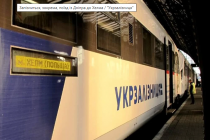 Низка поїздів спізнюється через наслідки атаки на Київ
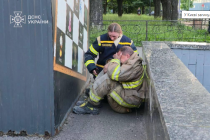 Під час нічного удару росіян у Києві загинули рятувальники
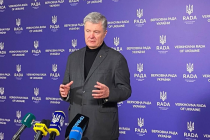 Порошенко залишив собі слона і причіп, а всі дохідні активи намагався переписати на дружину, - ЗМІ
 В Україні з'явиться військовий омбудсмен: Рада зробила перший крок
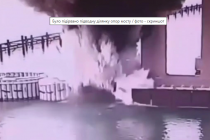 Унікальна спецоперація: СБУ втретє вразила Кримський міст
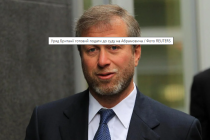 Британія готова судитися з Абрамовичем, щоб передати Україні гроші із продажу "Челсі"
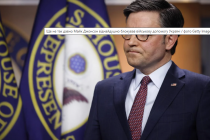 Ключовий союзник Трампа підтримав законопроект про пекельні санкції проти РФ
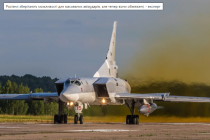 Росіяни зберігають можливості для масованих авіаударів, але тепер вони обмежені, - експерт
 Олена Тополя відверто зізналася, що робила пластику грудей
 Як рясні дощі вплинуть на врожай картоплі в Україні: відповідь фермера
 "Це не просто епізод": Шмигаль заявив, що "Павутина" може повторитись
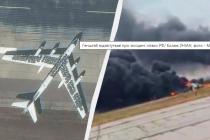 Генштаб відзвітував про знищення 12 російських літаків
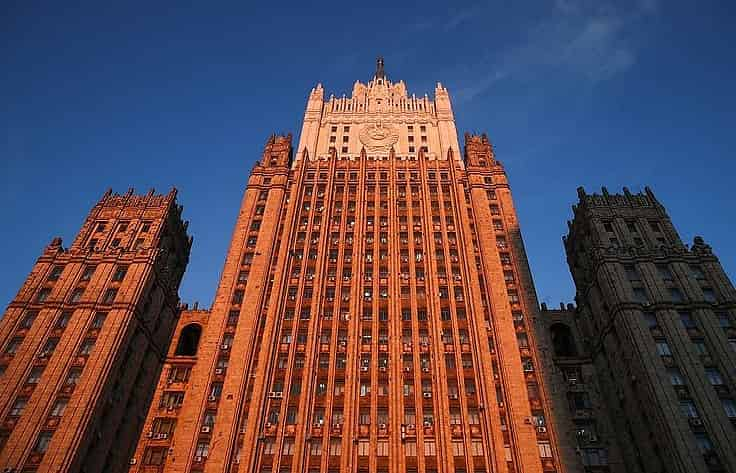
Moscow views UK Foreign Secretary Jeremy Hunt’s claims about Moscow’s stance on chemical weapons being a threat to other nations as a "provocative falsification," the Russian Foreign Ministry said in a statement.
According to the document, Moscow has no objections to "introducing control over substances, which the Western states persistently call ‘Novichoks.’"
Earlier this week, Hunt wrote on his Twitter page that Russia’s stance regarding the chemical weapons issue may pose a threat to other countries, and that incidents similar to the Salisbury case might occur in other cities as well.
"Unless the United Kingdom presents its evidence and starts cooperating with the Russian side within the legal domain, all London’s allegations of this kind will be treated as provocative falsifications, intended to indoctrinate false opinion about the [Salisbury] events among the public," the ministry said in a statement, published on its website.
The ministry also said that the Russian side has still not received any information about the fate of Sergei and Yulia Skripal, who disappeared from the public eye a year ago.
"We call upon London to launch a constructive dialogue on the matter," the statement reads.
Canada, the Netherlands and the United States put forward an initiative to add two families of the so-called "Novichok" chemicals to the list at the OPCW Executive Council’s previous meeting held on January 14. Russia did not obstruct the decision, but came up with serious objections and refused to be associated with the Council’s decision on the matter. At a February meeting of the OPCW Executive Council in The Hague, Russia called for adding five families of chemicals, including the Novichok substances, to the Chemical Weapons Convention (CWC) list of controlled chemical weapons but the initiative was rejected.
According to London's version, on March 4 former Russian military intelligence officer Sergei Skripal, convicted in Russia of spying for Britain, and his daughter Yulia, were exposed to a 'Novichok-class' nerve agent in Salisbury. The British government claimed that Russia was "highly likely" behind the incident. However, Moscow strongly dismissed all speculations on that score, adding that programs for developing this substance had never existed in the Soviet Union or Russia. Britain’s military chemical laboratory at Porton Down failed to pinpoint the origin of the substance that poisoned the Skripals.



































































 Следите за нами в Facebook