




 Уряд РФ готується до падіння експорту нафти до Індії на 30% та дефіциту бюджету
 Саміт на Алясці став "великою аферою" Путіна, - WSJ
 Моді відмовився зупинити імпорт російської нафти, - Bloomberg
 Індія зухвало відмовила Трампу, нагадавши про торгівлю США і РФ
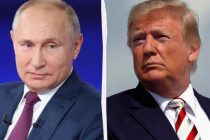 "Дедлайн" Трампа для Кремля може пройти тихо і без наслідків, - AP
 Збільшення видобутку ОПЕК+ та нові погрози Трампа тиснуть на ціни на нафту
 На лінії фронту в Україні зона ураження стає дедалі глибшою: в The Economist назвали причини
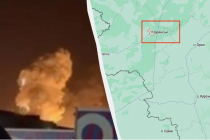 У російському Брянську пролунали потужні вибухи в районі аеропорту
 Трампу імпічмент, Венсу – посаду: Маск продовжує підливати масла у вогонь
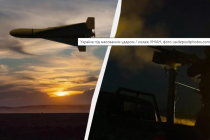 Росія масовано атакувала Україну дронами і ракетами: є руйнування і постраждалі
 Нічний удар Росії по Україні: жителі деяких міст залишилися без світла
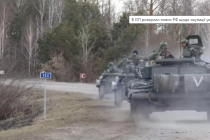 Росія планує у 2026 році захопити дві області та відрізати Україну від Чорного моря, - ОП
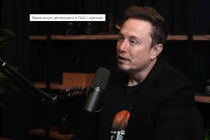 У США закликали видворити Маска з країни після сварки з Трампом, - The Hill
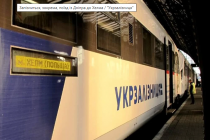 Низка поїздів спізнюється через наслідки атаки на Київ
 Під час нічного удару росіян у Києві загинули рятувальники
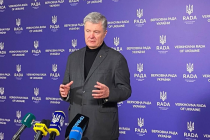 Порошенко залишив собі слона і причіп, а всі дохідні активи намагався переписати на дружину, - ЗМІ
 В Україні з'явиться військовий омбудсмен: Рада зробила перший крок
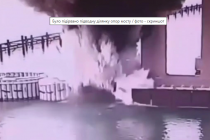 Унікальна спецоперація: СБУ втретє вразила Кримський міст
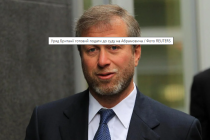 Британія готова судитися з Абрамовичем, щоб передати Україні гроші із продажу "Челсі"
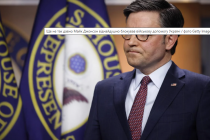 Ключовий союзник Трампа підтримав законопроект про пекельні санкції проти РФ
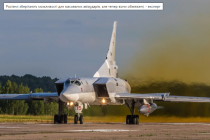 Росіяни зберігають можливості для масованих авіаударів, але тепер вони обмежені, - експерт
 Олена Тополя відверто зізналася, що робила пластику грудей
 Як рясні дощі вплинуть на врожай картоплі в Україні: відповідь фермера
 "Це не просто епізод": Шмигаль заявив, що "Павутина" може повторитись
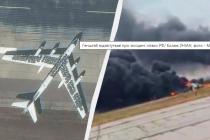 Генштаб відзвітував про знищення 12 російських літаків
The Italian gas authority has voiced alarm at a planned rise in transmission tariffs for gas coming from Germany, saying the reform will cost €300 million to Italian consumers. The EU said it was ready to intervene.
The European Commission does not rule out an infringement procedure against Germany if Berlin fails to alleviate concerns over gas transmission tariffs raised by Italy and other EU regulators.
Since the beginning of 2018, the German gas Authority (Bundesnetzagentur or BNetzA) has conducted consultations to introduce a new network code on harmonised transmission tariffs for gas, in line with a 2017 EU regulation.
The ongoing procedure by the Bonn-based federal agency is meant to establish a new transparent price methodology for gas tariffs within a given market area.
In particular, the German reform introduces a new uniform postage stamp tariff as a reference price methodology. This means equal pricing for access to the market area, irrespective of the network operator.
According to the BNetzA, this type of tariff system is more suited to gas networks that are meshed and feature fewer unidirectional flows, like in Germany.
Cross-border trade
However, Italy complains that the introduction of a postage stamp tariff will lead to price increases in cross-border trade, because it will reward gas “exiting” Germany more than before.
In a document obtained by EURACTIV, the Italian gas authority (ARERA) argued that the reform will have significant impacts on Italy’s wholesale gas market.
Gas imported from Germany is directly setting the Italian wholesale price, the agency argues. Therefore, any additional cost associated to this transportation route affects the Italian gas market as a whole, it said. Moreover, the new system will exacerbate the “pancaking effect” and distort gas price formation across different EU countries, the agency contends.
According to ARERA, the forecast increase in transportation costs due to the German tariff reform amounts to 0,387 €/MWh, which represents an additional cost of roughly €300,000,000 per year for Italy’s gas supply.
EU Commission vigilant
Contacted by EURACTIV, the European Commission refused to comment directly on the German-Italy gas tariff dispute.
However, it said the Commission was monitoring the proper implementation in all EU countries, including in Germany, of a 2017 regulation establishing a network code on harmonised transmission tariff structures for gas.
A group of Italian centre-right lawmakers have filed a parliamentary question calling on the Italian government to lodge a formal complaint with the Commission’s antitrust directorate. EU internal energy market rules have to be respected and a procedure triggered as soon as possible, they claim.
Commenting on the Italian request, an EU spokesperson said an increase in tariffs for exit points does not in itself constitute an infringement to EU law, as long as the underlying tariff methodology is in line with the 2017 EU regulation.
But if this is not the case, the Commission may decide to launch an infringement procedure against Germany, he warned. “The European Commission, as guardian of the Treaties, has to make sure that EU legislation is being followed,” the spokesperson said.
The Agency for the Cooperation of Energy Regulators (ACER) provided an analysis of the methodology proposed by the German Authority. It concluded that the reference price methodology “is compliant with the requirements on transparency, non-discrimination and volume risk.”
However, the Commission said ACER could not fully conclude on the assessment because the German consultation document on the new tariff “misses a description of the network and an explanation of the changes in tariffs resulting from the application of the proposed methodology.” This relates in particular to requirements over cost reflectivity, prevention of undue cross-subsidisation and non-distortion of cross-border trade, which are listed under Article 7 of the EU regulation.
Germany vs. neighbours
A spokesperson for BNetzA defended the new German tariffs, telling EURACTIV that ARERA and other European regulatory authorities had submitted comments during the consultation procedure.
He said the German authority will take into account all the comments received in its final resolution, but that no date has yet been set for a final decision.
Italians, for their part, remain on guard. “If and when the German decision is adopted and finalised, we will assess the exact correspondence with the rules in the appropriate EU fora,” said Stefano Saglia, a member of ARERA’s board.
According to Saglia, national regulators can opt for different solutions when it comes to allocating costs for their gas transmission service. But in the end, they must ensure that these costs are covered and not transferred to others.
“We hope that the debate will continue, both among the national regulators and within ACER, so as to reach a shared solution towards the harmonisation of all regulations at the European level,” Saglia told EURACTIV.
Italy is not alone in raising concerns about the new German tariff scheme. A document published by BNetzA last February, allows tracing back the French position on the issue.
Some respondents in the preliminary stage of the procedure pointed out that tariff increases at the Waidhaus and Medelsheim points would impede the integration of European gas markets, including the supply of French customers with Russian gas.
A possible solution would be to grant generous discounts for gas supplies transiting through Germany, the document continued.
Other respondents said any tariff increases in Germany should be proportionate, and limited to a maximum of 10% per year.














































































 Следите за нами в Facebook