




 Уряд РФ готується до падіння експорту нафти до Індії на 30% та дефіциту бюджету
 Саміт на Алясці став "великою аферою" Путіна, - WSJ
 Моді відмовився зупинити імпорт російської нафти, - Bloomberg
 Індія зухвало відмовила Трампу, нагадавши про торгівлю США і РФ
 "Дедлайн" Трампа для Кремля може пройти тихо і без наслідків, - AP
 Збільшення видобутку ОПЕК+ та нові погрози Трампа тиснуть на ціни на нафту
 На лінії фронту в Україні зона ураження стає дедалі глибшою: в The Economist назвали причини
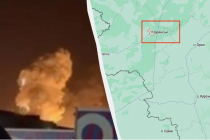 У російському Брянську пролунали потужні вибухи в районі аеропорту
 Трампу імпічмент, Венсу – посаду: Маск продовжує підливати масла у вогонь
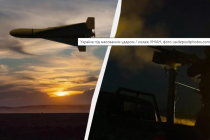 Росія масовано атакувала Україну дронами і ракетами: є руйнування і постраждалі
 Нічний удар Росії по Україні: жителі деяких міст залишилися без світла
 Росія планує у 2026 році захопити дві області та відрізати Україну від Чорного моря, - ОП
 У США закликали видворити Маска з країни після сварки з Трампом, - The Hill
 Низка поїздів спізнюється через наслідки атаки на Київ
 Під час нічного удару росіян у Києві загинули рятувальники
 Порошенко залишив собі слона і причіп, а всі дохідні активи намагався переписати на дружину, - ЗМІ
 В Україні з'явиться військовий омбудсмен: Рада зробила перший крок
 Унікальна спецоперація: СБУ втретє вразила Кримський міст
 Британія готова судитися з Абрамовичем, щоб передати Україні гроші із продажу "Челсі"
 Ключовий союзник Трампа підтримав законопроект про пекельні санкції проти РФ
 Росіяни зберігають можливості для масованих авіаударів, але тепер вони обмежені, - експерт
 Олена Тополя відверто зізналася, що робила пластику грудей
 Як рясні дощі вплинуть на врожай картоплі в Україні: відповідь фермера
 "Це не просто епізод": Шмигаль заявив, що "Павутина" може повторитись
 Генштаб відзвітував про знищення 12 російських літаків
The Austrian government wants to introduce a uniform hourly wage of €1.50 during the first three months following an asylum application. However, opposition parties and charities vehemently oppose this. EURACTIV Germany reports.
Interior Minister Herbert Kickl of the Freedom Party (FPÖ) submitted a legislative proposal for a four-week assessment, which should strongly limit the working conditions for asylum seekers within their first three months.
This proposal is being approved on the side of Austria’s Chancellor’s Sebastian Kurz from the People’s Party (ÖVP): “The Minister of the Interior has our support.”
Kurz had already proposed so-called €1 jobs while he was the minister for integration and foreign affairs in 2016 but failed to get support from his previous coalition partner, the Social Democratic Party (SPÖ).
Occupation and remuneration of asylum seekers has been an issue of discussion since 2015. In principle, refugees should wait three months following their asylum application before they can take on a position in an understaffed profession.
This includes, among other things, being employed as a seasonal worker in the tourism industry or as a harvester. During this three-month wait, refugees can only accept ancillary activities on behalf of the federal government, states, municipalities, municipal associations or facilities that belong to municipalities.
This covers domestic and garden work or transport services. Until now, the hourly wage was determined by the commissioning body. As a maximum, €110 and another €80 per family member, could be earned per month without having to fear any loss of basic services.
However, Interior Minister Kickl is critical of several bodies that are not following these requirements and are instead paying more. The hourly wages sometimes exceeded the limit by €5 or more. Kickl therefore wants to legally and uniformly set the hourly wage to €1.50 across the whole of Austria.
This is based on the wages received by those doing basic military service in the armed forces or the civil service.
This proposal is being criticised by the entire opposition, which disagrees with the low pay and sees this legal regulation as an attempt to introduce “forced labour” for asylum seekers. Caritas, Diakonie and Hilfswerk have criticised the fact that only public institutions are able to give asylum seekers employment during the transition period.
All the more so since these charitable institutions are themselves in need of support staff to carry out their social duties.









































































































 Следите за нами в Facebook