




 Уряд РФ готується до падіння експорту нафти до Індії на 30% та дефіциту бюджету
 Саміт на Алясці став "великою аферою" Путіна, - WSJ
 Моді відмовився зупинити імпорт російської нафти, - Bloomberg
 Індія зухвало відмовила Трампу, нагадавши про торгівлю США і РФ
 "Дедлайн" Трампа для Кремля може пройти тихо і без наслідків, - AP
 Збільшення видобутку ОПЕК+ та нові погрози Трампа тиснуть на ціни на нафту
 На лінії фронту в Україні зона ураження стає дедалі глибшою: в The Economist назвали причини
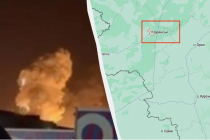 У російському Брянську пролунали потужні вибухи в районі аеропорту
 Трампу імпічмент, Венсу – посаду: Маск продовжує підливати масла у вогонь
 Росія масовано атакувала Україну дронами і ракетами: є руйнування і постраждалі
 Нічний удар Росії по Україні: жителі деяких міст залишилися без світла
 Росія планує у 2026 році захопити дві області та відрізати Україну від Чорного моря, - ОП
 У США закликали видворити Маска з країни після сварки з Трампом, - The Hill
 Низка поїздів спізнюється через наслідки атаки на Київ
 Під час нічного удару росіян у Києві загинули рятувальники
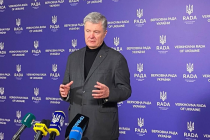 Порошенко залишив собі слона і причіп, а всі дохідні активи намагався переписати на дружину, - ЗМІ
 В Україні з'явиться військовий омбудсмен: Рада зробила перший крок
 Унікальна спецоперація: СБУ втретє вразила Кримський міст
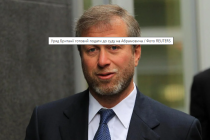 Британія готова судитися з Абрамовичем, щоб передати Україні гроші із продажу "Челсі"
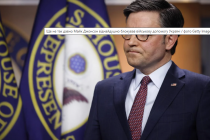 Ключовий союзник Трампа підтримав законопроект про пекельні санкції проти РФ
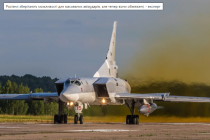 Росіяни зберігають можливості для масованих авіаударів, але тепер вони обмежені, - експерт
 Олена Тополя відверто зізналася, що робила пластику грудей
 Як рясні дощі вплинуть на врожай картоплі в Україні: відповідь фермера
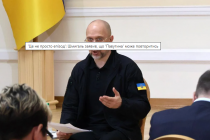 "Це не просто епізод": Шмигаль заявив, що "Павутина" може повторитись
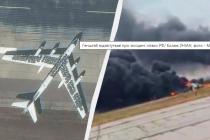 Генштаб відзвітував про знищення 12 російських літаків
The revamped Franco-German alliance is fracturing thanks to the countries’ differing approaches to climate policy.
The rift between Paris and Berlin was evident ahead of a summit of EU leaders on Thursday and Friday where the bloc's long-term climate strategy is on the agenda, according to unpublished documents reviewed by POLITICO.
Climate policy is dividing countries, with some “vehemently opposed” to having any meaningful discussion on the topic at the summit, according to an EU diplomat.
France is spearheading a group of countries that want the EU to cut emissions to net zero by 2050 — meaning the bloc would absorb as much greenhouse gases as it emits. That’s seen as crucial in reaching the more ambitious goal of the 2015 Paris Agreement, which aims to limit global warming to 1.5 degrees.
But Germany, long at the forefront of pushing greener policies, is now getting cold feet thanks to the economic and political costs.
It’s a far cry from France and Germany's mutual declaration to undertake “ambitious actions to combat climate change” when they signed the Treaty of Aachen in January.
The differences between Berlin and Paris can be seen in the diplomatic struggle over the language meant to appear in the summit's climate policy conclusions.
According to draft summit conclusions, dated Wednesday and seen by POLITICO, leaders will “emphasize the importance of the EU submitting an ambitious long-term strategy by 2020 striving for climate neutrality ... while taking into account Member States’ specificities and the competitiveness of European industry,” without committing countries to a deadline. Leaders plan to be “returning to the issue” by the end of this year.
That's far less ambitious than Paris wanted.
National comments on the draft conclusions, dated March 11 and seen by POLITICO, show that France wants the EU to commit to cutting emissions to net zero “by 2050 in line with the 1.5 degree objective of the Paris Agreement, addressing the competitiveness of European industry.”
France’s efforts are backed by other countries such as Spain, the Netherlands, Luxembourg and Denmark.
Finland, which takes over the rotating Council presidency in July, also wants EU leaders to finalize guidance for the bloc’s long-term strategy “later this year” — a far more concrete demand than called for in the current leaders’ draft conclusions.
Berlin is far less enthusiastic.
Its comments show Germany isn’t keen to bind itself and other EU members to a fixed timeline to cut emissions to net zero or to tie its strategy to the Paris Agreement’s 1.5-degree goal. It did, however, keep the reference to climate neutrality in the text.
Hitting the EU’s climate and green energy goals is a major headache for Berlin. Last year, it had to admit that it will miss its 2020 target to cut emissions by 40 percent by a wide margin. Politicians are now scrambling to ensure the country meets its 2030 climate goals, and are locked in a domestic power struggle over how to design climate legislation to implement the targets.
Berlin’s wariness is shared by the Visegrad Group of Poland, the Czech Republic, Slovakia and Hungary.
Those countries worry about the potentially high social and economic costs of a transition to a low-carbon economy, and — in contrast with Berlin — also want to delete the reference to climate neutrality.
Germany's shift is alarming climate campaigners, who are used to the country being a green champion.
“When it comes to climate change, there is clearly a growing rift between Germany and Poland on one side, and France and other governments on the other," said Sebastian Mang, Greenpeace EU’s climate policy adviser. "Angela Merkel is clearly on the wrong side of history.”
































































































 Следите за нами в Facebook