



 Уряд РФ готується до падіння експорту нафти до Індії на 30% та дефіциту бюджету
 Саміт на Алясці став "великою аферою" Путіна, - WSJ
 Моді відмовився зупинити імпорт російської нафти, - Bloomberg
 Індія зухвало відмовила Трампу, нагадавши про торгівлю США і РФ
 "Дедлайн" Трампа для Кремля може пройти тихо і без наслідків, - AP
 Збільшення видобутку ОПЕК+ та нові погрози Трампа тиснуть на ціни на нафту
 На лінії фронту в Україні зона ураження стає дедалі глибшою: в The Economist назвали причини
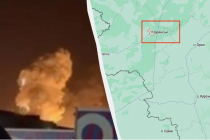 У російському Брянську пролунали потужні вибухи в районі аеропорту
 Трампу імпічмент, Венсу – посаду: Маск продовжує підливати масла у вогонь
 Росія масовано атакувала Україну дронами і ракетами: є руйнування і постраждалі
 Нічний удар Росії по Україні: жителі деяких міст залишилися без світла
 Росія планує у 2026 році захопити дві області та відрізати Україну від Чорного моря, - ОП
 У США закликали видворити Маска з країни після сварки з Трампом, - The Hill
 Низка поїздів спізнюється через наслідки атаки на Київ
 Під час нічного удару росіян у Києві загинули рятувальники
 Порошенко залишив собі слона і причіп, а всі дохідні активи намагався переписати на дружину, - ЗМІ
 В Україні з'явиться військовий омбудсмен: Рада зробила перший крок
 Унікальна спецоперація: СБУ втретє вразила Кримський міст
 Британія готова судитися з Абрамовичем, щоб передати Україні гроші із продажу "Челсі"
 Ключовий союзник Трампа підтримав законопроект про пекельні санкції проти РФ
 Росіяни зберігають можливості для масованих авіаударів, але тепер вони обмежені, - експерт
 Олена Тополя відверто зізналася, що робила пластику грудей
 Як рясні дощі вплинуть на врожай картоплі в Україні: відповідь фермера
 "Це не просто епізод": Шмигаль заявив, що "Павутина" може повторитись
 Генштаб відзвітував про знищення 12 російських літаків
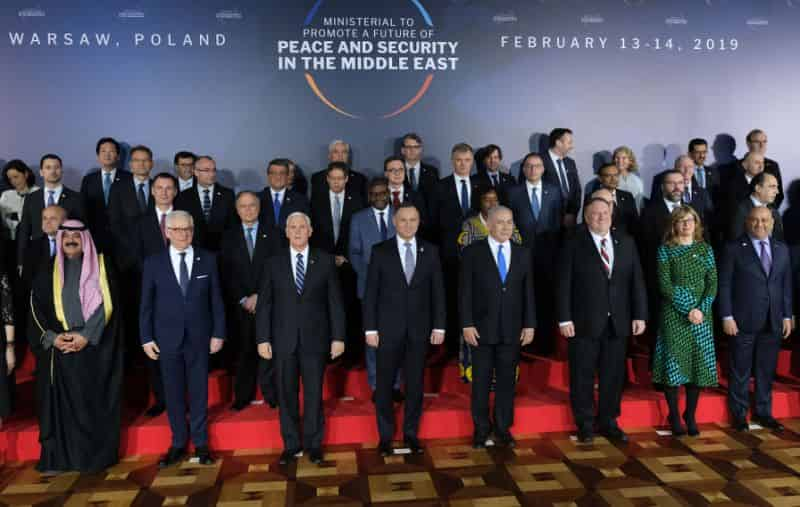
When Secretary of State Mike Pompeo first described this week’s big international conference in Warsaw, he left little doubt about its purpose. At the meeting, he said last month, America and its allies would discuss “how it is we together can get Iran to behave like a normal nation.”
Now Pompeo is in Warsaw, and official discussion is about everything but Iran. As Polish Foreign Minister Jacek Czaputowicz put it on Tuesday, the focus of the conference is now “on the most problematic horizontal issues rather than individual states.”
That’s because most major European nations are less interested in squeezing Iran than in trying to save the 2015 nuclear deal from which the U.S. withdrew last May. Only a few weeks after the Warsaw conference was announced, the U.K., Germany and France unveiled a so-called special-purpose vehicle to let some businesses barter with Iran for humanitarian goods. The message to Pompeo was clear: If you want Europeans at your conference, you can’t make it about putting the screws to Iran.
So the State Department improvised. The conference now has something for everyone. U.K. Foreign Minister Jeremy Hunt has said he is looking forward to co-hosting a meeting with Pompeo and the foreign ministers from Saudi Arabia and the United Arab Emirates on the Yemen peace process. Jared Kushner will be briefing allies on the economic component of his plan for peace between Israel and the Palestinians. There will be breakout sessions on cybersecurity and Syria.
Iran is both an afterthought and the elephant in the room. A State Department fact sheet released Wednesday mentions Iran only once, noting that Pompeo will provide an “update” on several issues, including “Iran’s destructive activities.” It also accounts for disagreements, saying: “We welcome differences of opinion. We hope that frank discussion will lead to new and innovative ways of thinking — and solving — old, recurring issues.”
Not everyone got the memo. Israeli Prime Minister Benjamin Netanyahu told his cabinet Sunday the first item on the agenda was Iran and how to prevent it from entrenching itself in Syria, continuing its regional aggression and attaining nuclear weapons. On Tuesday, apparently agreeing with Netanyahu’s description of the agenda, Iranian Foreign Minister Javad Zarif said the conference shows America’s “obsession” with his country. He predicted it would fail, saying that many delegations were forced by the U.S. to attend.
The biggest event of the conference will be a private dinner Wednesday evening, with foreign ministers and other representatives from more than 60 countries. Netanyahu will be in a large dining hall with the foreign ministers of Saudi Arabia, the United Arab Emirates and other Arab states. Diplomatic toasts will be offered, and official photographs taken. Israel’s quiet relationship with its former regional rivals will become a little less so.
U.S. officials also tell me they expect European and Middle Eastern allies to establish working groups to follow up on specific issues raised in the conference. Here, these officials say, the focus on Iran is unavoidable. Discussions about Syria, missiles or cybersecurity will inevitably include the destabilizing role played by Iran.
What’s more, the moves from France, Germany and the U.K. to keep the Iranian nuclear deal on life support will almost certainly not deliver the financial windfall the Iranians say they deserve. The Iranian financial entity that would work with Europe on the “special purpose vehicle,” for example, must meet international anti-money laundering standards, something Iran’s banks have thus far failed to do.
The Trump administration is also signaling that it plans to keep ratcheting up sanctions. On Monday Richard Goldberg, the national security council’s director for countering Iranian weapons of mass destruction, suggested that the U.S. would not renew the exemptions some countries have received for the secondary oil sanctions imposed in November. So far at least, America has been able to re-impose crippling sanctions on Iran without European cooperation.
So maybe unity is not strictly necessary for American sanctions on Iran to bite. But the larger project — what Pompeo described last month as “the campaign to create a better world, to allow the Iranian people to have opportunity and democracy” — will require international unity, as with Venezuela. The absence of Iran on the conference’s official agenda is evidence of international disagreement. In that sense, the watering down of Warsaw is telling.






















































































 Следите за нами в Facebook