




 Уряд РФ готується до падіння експорту нафти до Індії на 30% та дефіциту бюджету
 Саміт на Алясці став "великою аферою" Путіна, - WSJ
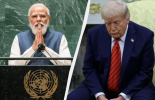
 Моді відмовився зупинити імпорт російської нафти, - Bloomberg
 Індія зухвало відмовила Трампу, нагадавши про торгівлю США і РФ
 "Дедлайн" Трампа для Кремля може пройти тихо і без наслідків, - AP
 Збільшення видобутку ОПЕК+ та нові погрози Трампа тиснуть на ціни на нафту
 На лінії фронту в Україні зона ураження стає дедалі глибшою: в The Economist назвали причини
 У російському Брянську пролунали потужні вибухи в районі аеропорту
 Трампу імпічмент, Венсу – посаду: Маск продовжує підливати масла у вогонь
 Росія масовано атакувала Україну дронами і ракетами: є руйнування і постраждалі
 Нічний удар Росії по Україні: жителі деяких міст залишилися без світла
 Росія планує у 2026 році захопити дві області та відрізати Україну від Чорного моря, - ОП
 У США закликали видворити Маска з країни після сварки з Трампом, - The Hill
 Низка поїздів спізнюється через наслідки атаки на Київ
 Під час нічного удару росіян у Києві загинули рятувальники
 Порошенко залишив собі слона і причіп, а всі дохідні активи намагався переписати на дружину, - ЗМІ
 В Україні з'явиться військовий омбудсмен: Рада зробила перший крок
 Унікальна спецоперація: СБУ втретє вразила Кримський міст
 Британія готова судитися з Абрамовичем, щоб передати Україні гроші із продажу "Челсі"
 Ключовий союзник Трампа підтримав законопроект про пекельні санкції проти РФ
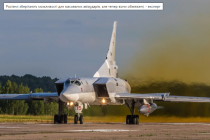 Росіяни зберігають можливості для масованих авіаударів, але тепер вони обмежені, - експерт
 Олена Тополя відверто зізналася, що робила пластику грудей
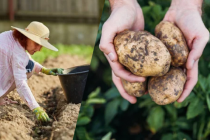 Як рясні дощі вплинуть на врожай картоплі в Україні: відповідь фермера
 "Це не просто епізод": Шмигаль заявив, що "Павутина" може повторитись
 Генштаб відзвітував про знищення 12 російських літаків
Spice Girls T-shirts sold to raise money for Comic Relief’s “gender justice” campaign were made at a factory in Bangladesh where women earn the equivalent of 35p an hour during shifts in which they claim to be verbally abused and harassed, a Guardian investigation has found.
The charity tops, bearing the message “#IWannaBeASpiceGirl”, were produced by mostly female machinists who said they were forced to work up to 16 hours a day and called “daughters of prostitutes” by managers for not hitting targets.
Money raised from sales of the £19.40 T-shirts will be donated to Comic Relief’s fund to help “champion equality for women”. The charity received £11.60 for each of the T-shirts, which were commissioned and designed by the band.
Announcing the partnership, the Spice Girls said the cause was important to them because “equality and the movement of people power have always been at the heart of the band”.
But one of the machinists at the factory that produced the garments – modelled on social media by the TV presenter Holly Willoughby, the singers Sam Smith and Jessie J, and the Olympian Jessica Ennis-Hill – said: “We don’t get paid enough and we work in inhuman conditions.”
The T-shirts, which also have the words “gender justice” on the back, were made by workers earning significantly less than a living wage. The factory is part-owned by a minister in Bangladesh’s authoritarian coalition government, which won 96% of the vote last month in an election described as “farcical” by critics. There is no suggestion any of the celebrities were aware of conditions at the factory.
A spokesman for the Spice Girls said they were “deeply shocked and appalled” and would personally fund an investigation into the factory’s working conditions. Comic Relief said the charity was “shocked and concerned”.
Both said they had checked the ethical sourcing credentials of Represent, the online retailer commissioned by the Spice Girls to make the T-shirts, but it had subsequently changed manufacturer without their knowledge. Represent said it took “full responsibility” and would refund customers on request. The band said Represent should donate profits to “campaigns with the intention to end such injustices”.
The company behind the factory that made the T-shirts, Interstoff Apparels, said the findings would be investigated but were “simply not true”. However, a catalogue of evidence about conditions faced by the employees was uncovered, including allegations that:
Some machinists are paid 8,800Tk (£82) a month, according to a recent payslip – meaning they earn the equivalent of 35p an hour for a 54-hour week. The sum is well below the 16,000Tk unions have been demanding and falls far short of living wage estimates.
Employees are forced to work overtime to hit “impossible” targets of sewing thousands of garments a day, meaning they are sometimes working 16-hour shifts that finish at midnight.
Factory workers who do not make the targets are verbally abused by management and reduced to tears. Some have been made to work despite ill-health.
The revelations shine a light on the risks of complex supply chains and will add to longstanding concerns over conditions at manufacturers of garments sold at considerable markups by British retailers.
Saying the conditions appeared to be “far beyond the normal illegalities” at factories in Bangladesh, Dominique Muller, the policy director at the campaign group Labour Behind the Label, added: “It is absolutely essential that celebrities, charities and brands ensure that their goods are made in factories which pay a decent wage and provide decent work.”







































































































 Следите за нами в Facebook