



 Уряд РФ готується до падіння експорту нафти до Індії на 30% та дефіциту бюджету
 Саміт на Алясці став "великою аферою" Путіна, - WSJ
 Моді відмовився зупинити імпорт російської нафти, - Bloomberg
 Індія зухвало відмовила Трампу, нагадавши про торгівлю США і РФ
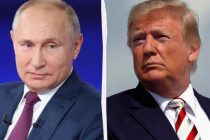 "Дедлайн" Трампа для Кремля може пройти тихо і без наслідків, - AP
 Збільшення видобутку ОПЕК+ та нові погрози Трампа тиснуть на ціни на нафту
 На лінії фронту в Україні зона ураження стає дедалі глибшою: в The Economist назвали причини
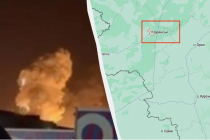 У російському Брянську пролунали потужні вибухи в районі аеропорту
 Трампу імпічмент, Венсу – посаду: Маск продовжує підливати масла у вогонь
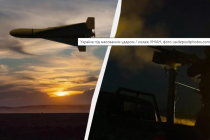 Росія масовано атакувала Україну дронами і ракетами: є руйнування і постраждалі
 Нічний удар Росії по Україні: жителі деяких міст залишилися без світла
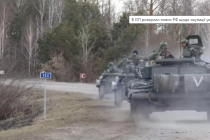 Росія планує у 2026 році захопити дві області та відрізати Україну від Чорного моря, - ОП
 У США закликали видворити Маска з країни після сварки з Трампом, - The Hill
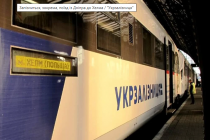 Низка поїздів спізнюється через наслідки атаки на Київ
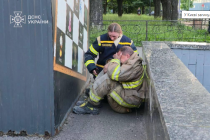 Під час нічного удару росіян у Києві загинули рятувальники
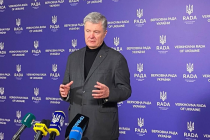 Порошенко залишив собі слона і причіп, а всі дохідні активи намагався переписати на дружину, - ЗМІ
 В Україні з'явиться військовий омбудсмен: Рада зробила перший крок
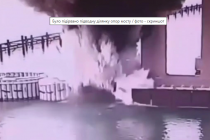 Унікальна спецоперація: СБУ втретє вразила Кримський міст
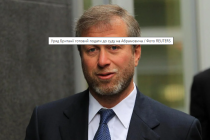 Британія готова судитися з Абрамовичем, щоб передати Україні гроші із продажу "Челсі"
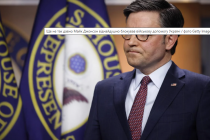 Ключовий союзник Трампа підтримав законопроект про пекельні санкції проти РФ
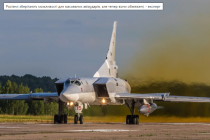 Росіяни зберігають можливості для масованих авіаударів, але тепер вони обмежені, - експерт
 Олена Тополя відверто зізналася, що робила пластику грудей
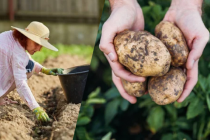 Як рясні дощі вплинуть на врожай картоплі в Україні: відповідь фермера
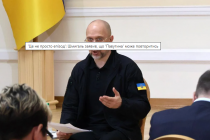 "Це не просто епізод": Шмигаль заявив, що "Павутина" може повторитись
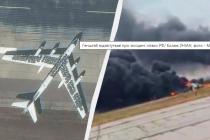 Генштаб відзвітував про знищення 12 російських літаків
Ukraine is without any exaggeration a multinational state: there are more than 150 nationalities in the country, several dozen of them are represented by hundreds of thousands and millions of citizens. Ukraine has never had significant conflicts on a national basis (the war in the Donbas is not an ethnic conflict, but a political conflict). Nevertheless, such numerous diasporas are an important factor in the domestic and foreign policy of the country. The journalists of the news-agency EuroMedia 24 found out their influence.
Diasporas often have official associations, but even without such formalized structures, for obvious reasons, they are fairly organized communities with common interests and goals. The conflict of such community with the state is a big problem; it’s not just the discontent of several thousand people. But state support of such associations is no longer just the approval of these several thousand citizens, it is something more that significantly strengthens the country's position.
In this sense, the spring of 2014 was especially important. If Ukraine, which was then in a political crisis and under the blow of Russian annexation, had been expressed distrust of various national communities, the fate of the state would be even harder. However, that year citizens of Ukraine of different nationalities instantly and unequivocally took a principled position: Ukraine, a common home for dozens of ethnic groups, must maintain its sovereignty. Then “Congress of the Turkic-speaking people of Ukraine”, “The Union of Gagauzes of Ukraine”, “The Estonian fraternity”, “ The Union of Poles of Ukraine”, the organization of the Germans of Kiev, “Wiedergeburt” and many other associations announced this publicly.
Such active civic of the diasporas strengthens the country not only from within - on relations between the state and national minorities, “temperature is measured” in Ukraine by both international organizations and foreign governments. If representatives of different nations, cultures and religions official speak about the approval of state policy, there is no reason to believe information fakes about “nationalists in authority”.
And if a Lebanese doctor helps Ukrainian solders in the Donbass (furthermore receives an order from the Orthodox Church), then it makes senseless any insinuations about the “nationalists” at the front, and about any religious conflicts.
If in September of this year the Belarusian embassy in Kyiv with the participation of the All-Ukrainian Union of Belarusians have celebrated the 25th anniversary of its foundation (and the 15th anniversary of the union itself), then any speculation about a possible discord between Ukraine and Belarus is depreciated.
Finally, when the leader of a Sudanese fraternity declares that Kharkov is a tolerant and comfortable city, it is absurd to suspect Ukraine of the supposedly existing "atmosphere of hatred."
No less important is the daily work of representatives of diasporas to strengthen Ukraine in social life, business, local government and culture. Preserving the sovereignty and unity of citizens of Ukraine of different nationalities is still half the battle, the second half is to make the state successful and stable. In 2017, the Union of Armenians of Ukraine was recognized as the most active national association of the country, in 2018, the Armenians of Ukraine continued their extensive activities, including regional ones. For example, in the past year the Union of Armenians of Zaporizhzhya region initiated dozens of actions and events not only for its community, but also for all residents of the region: from planting trees and creating holidays for families of Ukrainian defenders to sponsoring an international IT forum.
The Armenian diaspora, by the way, is also represented by many people both among the country's defenders, among physicians, and among volunteers. Renowned neurosurgeon Armen Nikoghosyan in 2014 operated on the injured on the Euromaidan, and then volunteered to the front to save the military - and only for that year he saved about a thousand lives. Later, when the situation at the front calmed down and the need for mass help of doctors disappeared, Armen Nikoghosyan continued to serve the state - in 2016, he headed one of the police departments in Zhytomyr.
For the average citizen, all these are only isolated cases and statements. But in fact, they and hundreds more others form an informational picture about Ukraine. And this information picture, in turn, is read in Armenia, Estonia, Poland, Germany, Bulgaria, the Arab and Muslim world, etc.








































































 Следите за нами в Facebook