



 Уряд РФ готується до падіння експорту нафти до Індії на 30% та дефіциту бюджету
 Саміт на Алясці став "великою аферою" Путіна, - WSJ
 Моді відмовився зупинити імпорт російської нафти, - Bloomberg
 Індія зухвало відмовила Трампу, нагадавши про торгівлю США і РФ
 "Дедлайн" Трампа для Кремля може пройти тихо і без наслідків, - AP
 Збільшення видобутку ОПЕК+ та нові погрози Трампа тиснуть на ціни на нафту
 На лінії фронту в Україні зона ураження стає дедалі глибшою: в The Economist назвали причини
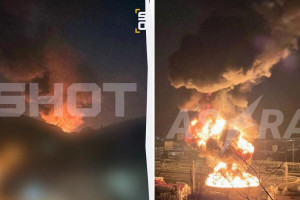
 У російському Брянську пролунали потужні вибухи в районі аеропорту
 Трампу імпічмент, Венсу – посаду: Маск продовжує підливати масла у вогонь
 Росія масовано атакувала Україну дронами і ракетами: є руйнування і постраждалі
 Нічний удар Росії по Україні: жителі деяких міст залишилися без світла
 Росія планує у 2026 році захопити дві області та відрізати Україну від Чорного моря, - ОП
 У США закликали видворити Маска з країни після сварки з Трампом, - The Hill
 Низка поїздів спізнюється через наслідки атаки на Київ
 Під час нічного удару росіян у Києві загинули рятувальники
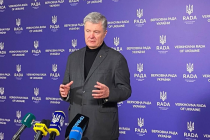 Порошенко залишив собі слона і причіп, а всі дохідні активи намагався переписати на дружину, - ЗМІ
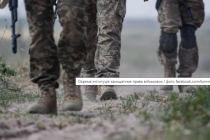 В Україні з'явиться військовий омбудсмен: Рада зробила перший крок
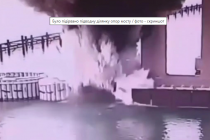 Унікальна спецоперація: СБУ втретє вразила Кримський міст
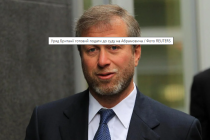 Британія готова судитися з Абрамовичем, щоб передати Україні гроші із продажу "Челсі"
 Ключовий союзник Трампа підтримав законопроект про пекельні санкції проти РФ
 Росіяни зберігають можливості для масованих авіаударів, але тепер вони обмежені, - експерт
 Олена Тополя відверто зізналася, що робила пластику грудей
 Як рясні дощі вплинуть на врожай картоплі в Україні: відповідь фермера
 "Це не просто епізод": Шмигаль заявив, що "Павутина" може повторитись
 Генштаб відзвітував про знищення 12 російських літаків
It was hilarious to watch world leaders jockey for position for the “family photo” at the G20 summit in Argentina last week. Wielding huge power and bulging with oversized egos, these normally self-assured individuals behaved like primary school kids on their first day, scrambling to stand next to someone they like.
Russian President Vladimir Putin and Saudi Arabian Crown Prince Mohammed bin Salman clung to each other like two lonely strangers at a dance. US President Donald Trump acted the tough guy, but just looked miserable. International Monetary Fund managing director Christine Lagarde and British Prime Minister Theresa May wore cheery smiles that hid their inner turmoil. Perhaps the biggest influencer of all, German Chancellor Angela Merkel, missed the session, delayed by a dodgy plane. Everyone wished they were somewhere else.
The final communiqués at these lovefests must usually be written beforehand for anything to be agreed. Trump is the exception. He likes one-on-ones. He is a professional deal maker in a way that does not come easily to politicians.
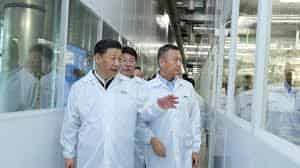
So, the big meeting between President Xi Jinping and Trump was always going to produce a result. About the only thing we are sure of now is that there will be a tariff truce until March – but that is just what Trump wants; it gives the other side enough pressurised breathing space to move its position without losing face.
And move China must. The nation has been caught short with Trump’s attack on its terms of trade, if only because it found an echo around the world. The problem with moving is that capitalism with Chinese characteristics is very different from, well, capitalism. It demands state control over economic activity. Even in some private and foreign companies in China, party organisations have demanded to have their say on business operations and investment decisions.
China’s iron-handed non-tariff barriers to foreign companies have resulted in the development of domestic digital giants, Alibaba, Baidu and Tencent among them. They easily rival their Western counterparts – but at a cost. Brands like Huawei are losing ground because of their perceived links to the state.
New Zealand, Australia, Germany, and the United States have blocked Chinese investment on national security grounds. Anything remotely Chinese is suspect. CK Group, controlled by Li Ka-shing’s family and now incorporated in the Cayman Islands, was refused an acquisition in Australia last month. It is increasingly obvious that the two economic systems are like oil and water – they don’t mix.
So, what does a solution look like? It was no coincidence that the US-Mexico-Canada Agreement (the son of Nafta) was signed as soon as Trump arrived in Argentina. Could it be a blueprint for a China deal? If only it was that easy, as May is finding out with Brexit.
It is genuinely tough for Chinese capitalism to create a level playing field for foreign, or even domestic, private firms. China could relax non-tariff import barriers at will, but this would be perceived as yielding control over the economy. Even Xi would face political resistance in removing financial, legal and regulatory provisions for state firms or national champions.
Some areas are easier than others. Beijing could encourage imports of US foodstuffs and energy products with no ramifications whatsoever. It could even, and probably will, ban forced transfer of technology, though reducing cybertheft will be harder. That happens worldwide. The key will be whether those who get caught actually get punished.
Newton’s third law of motion states: “To every action there is always opposed an equal reaction.” In economics, we can add the law of unintended consequences. China could react to Trump’s tariff tantrum in ways that we – or indeed China – cannot yet envisage.
As China is required to trade under uncomfortably two-sided rules, it could react by becoming more self-sufficient and mature. Self-sufficiency does not mean going it alone, as India did with dismal economic consequences; it means concentrating on areas that cannot be criticised.












































































 Следите за нами в Facebook