



 Уряд РФ готується до падіння експорту нафти до Індії на 30% та дефіциту бюджету
 Саміт на Алясці став "великою аферою" Путіна, - WSJ
 Моді відмовився зупинити імпорт російської нафти, - Bloomberg
 Індія зухвало відмовила Трампу, нагадавши про торгівлю США і РФ
 "Дедлайн" Трампа для Кремля може пройти тихо і без наслідків, - AP
 Збільшення видобутку ОПЕК+ та нові погрози Трампа тиснуть на ціни на нафту
 На лінії фронту в Україні зона ураження стає дедалі глибшою: в The Economist назвали причини
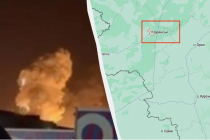 У російському Брянську пролунали потужні вибухи в районі аеропорту
 Трампу імпічмент, Венсу – посаду: Маск продовжує підливати масла у вогонь
 Росія масовано атакувала Україну дронами і ракетами: є руйнування і постраждалі
 Нічний удар Росії по Україні: жителі деяких міст залишилися без світла
 Росія планує у 2026 році захопити дві області та відрізати Україну від Чорного моря, - ОП
 У США закликали видворити Маска з країни після сварки з Трампом, - The Hill
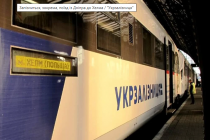 Низка поїздів спізнюється через наслідки атаки на Київ
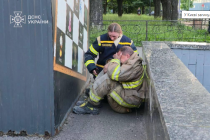 Під час нічного удару росіян у Києві загинули рятувальники
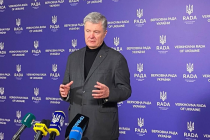 Порошенко залишив собі слона і причіп, а всі дохідні активи намагався переписати на дружину, - ЗМІ
 В Україні з'явиться військовий омбудсмен: Рада зробила перший крок
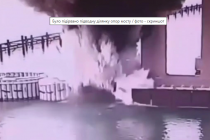 Унікальна спецоперація: СБУ втретє вразила Кримський міст
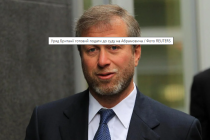 Британія готова судитися з Абрамовичем, щоб передати Україні гроші із продажу "Челсі"
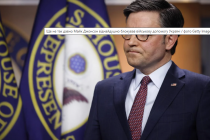 Ключовий союзник Трампа підтримав законопроект про пекельні санкції проти РФ
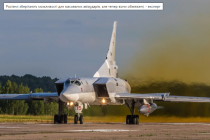 Росіяни зберігають можливості для масованих авіаударів, але тепер вони обмежені, - експерт
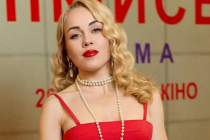 Олена Тополя відверто зізналася, що робила пластику грудей
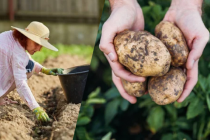 Як рясні дощі вплинуть на врожай картоплі в Україні: відповідь фермера
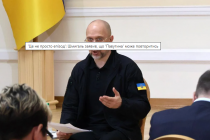 "Це не просто епізод": Шмигаль заявив, що "Павутина" може повторитись
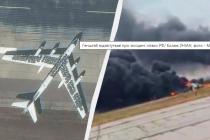 Генштаб відзвітував про знищення 12 російських літаків
There are three inter-related reasons for the escalation of the Russian-Ukrainian conflict that became hot on Sunday (25 November)when a Russian naval ship rammed a Ukrainian tug boat, wounding Ukrainian sailors who were taken as prisoners, while Russia captured three Ukrainian vessels.
The first is the unresolved status of the Crimea, with the Azov Sea lying to its east, which Russia occupied in spring 2014.
The Crimea is not included in the two Minsk agreements negotiated in September 2014 and February 2015 when Germany and France, negotiating on behalf of the EU, agreed under Russian pressure to not include this question.
Although the US and UK were signatories to the 1994 Budapest Memorandum giving Ukraine security assurances in return for de-nuclearising, president Barack Obama and prime minister David Cameron were both passive when faced with Russia's annexation of the Crimea.
Vladimir Putin's game plan has been to say the Crimea is a done deal over which there would be no negotiations while pretending Russia was not militarily engaged in eastern Ukraine.
Russia's claim to the Azov as a 'Russian sea' repeats its creeping annexation conducted in Georgia and elsewhere after the initial annexation of regions.
Ukraine's vessels on Sunday were in internationally-recognised waters when they were attacked by Russia in an act of military piracy.
Secondly, Russian leaders are frustrated by the turning of events in Ukraine where their influence is in terminal decline.
President Petro Poroshenko is detested in Moscow because he has committed himself to ensuring Russian influence is removed from Ukraine. He has spearheaded the drive to incorporate the goals of Nato and EU membership in the constitution.
The seriousness with which Russian leaders see their influence in terminal decline could be seen in the sharp response to the Constantinople Patriarch granting Ukraine's Orthodox Church independence (autocephaly) from the Russian Orthodox Church.
Putin convened an emergency meeting of the Russian Security Council as the Russian Orthodox Church split from Constantinople - a religious schism of such magnitude last seen in the reformation.
Thirdly, Putin is having no success in pressuring Ukraine to succumb to Russian demands for a peace agreement in the Donbas.
March 2019 election
Many candidates in the upcoming Ukrainian elections are playing with anti-war populism to attract voters fed up with five years of war.
Of the candidates in the upcoming elections Poroshenko stands out as refusing to agree to Putin's pressure for a peace deal.
The editor of Russia's liberal-leaning Ekho Moscow radio believes that Putin is therefore supporting Yulia Tymoshenko and the less popular pro-Russian Yuriy Boyko.
When Ukrainian citizens were asked who they believed Moscow would like to see elected in Ukraine they pointed to Boyko and Tymoshenko.
Although Russian nationalists like Putin are convinced they 'understand' Ukraine, it is precisely because of their stereotypes about the country being 'Russian' that they fail to comprehend the strength of Ukrainian national identity or the dynamics of domestic developments.
This was clearly seen in Putin's badly misjudged strategy in 2014 which has turned Ukraine away from Russia and undermined its soft power influence.
In undertaking this military piracy, Putin hopes to undermine Poroshenko's election chances but in fact will have three undesirable knock-on effects for Moscow.
It will increase Ukrainian patriotism yet again.
The drive to Orthodox independence will proceed quicker as bishops flee the sinking Russian Orthodox Church in Ukraine.
Finally, Putin's nightmare of Poroshenko's re-election will be even certain as Ukrainians rally around the flag.
Ukrainians will understand that next year's March election is not just to elect a new president but also a commander-in-chief who will have to deal with five more years of Putin until he ends his current term in 2024.
Putin's Azov sea escapade will prove to be another strategic blunder on the same lines as that in 2014 when he first attacked Ukraine.



























































 Следите за нами в Facebook