



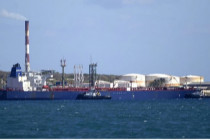
 Уряд РФ готується до падіння експорту нафти до Індії на 30% та дефіциту бюджету
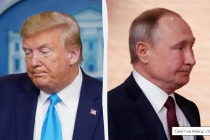 Саміт на Алясці став "великою аферою" Путіна, - WSJ
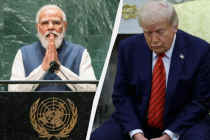 Моді відмовився зупинити імпорт російської нафти, - Bloomberg
 Індія зухвало відмовила Трампу, нагадавши про торгівлю США і РФ
 "Дедлайн" Трампа для Кремля може пройти тихо і без наслідків, - AP
 Збільшення видобутку ОПЕК+ та нові погрози Трампа тиснуть на ціни на нафту
 На лінії фронту в Україні зона ураження стає дедалі глибшою: в The Economist назвали причини
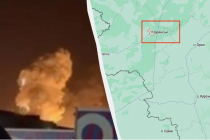 У російському Брянську пролунали потужні вибухи в районі аеропорту
 Трампу імпічмент, Венсу – посаду: Маск продовжує підливати масла у вогонь
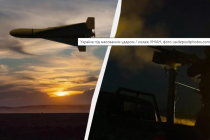 Росія масовано атакувала Україну дронами і ракетами: є руйнування і постраждалі
 Нічний удар Росії по Україні: жителі деяких міст залишилися без світла
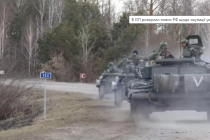 Росія планує у 2026 році захопити дві області та відрізати Україну від Чорного моря, - ОП
 У США закликали видворити Маска з країни після сварки з Трампом, - The Hill
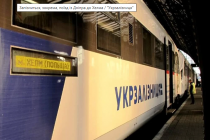 Низка поїздів спізнюється через наслідки атаки на Київ
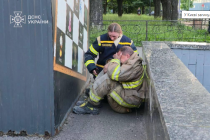 Під час нічного удару росіян у Києві загинули рятувальники
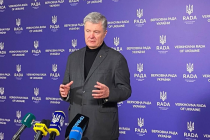 Порошенко залишив собі слона і причіп, а всі дохідні активи намагався переписати на дружину, - ЗМІ
 В Україні з'явиться військовий омбудсмен: Рада зробила перший крок
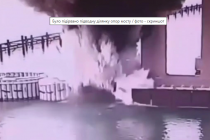 Унікальна спецоперація: СБУ втретє вразила Кримський міст
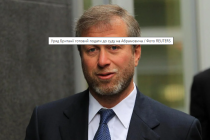 Британія готова судитися з Абрамовичем, щоб передати Україні гроші із продажу "Челсі"
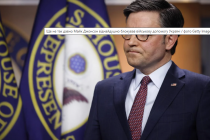 Ключовий союзник Трампа підтримав законопроект про пекельні санкції проти РФ
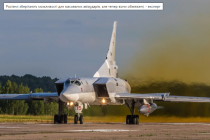 Росіяни зберігають можливості для масованих авіаударів, але тепер вони обмежені, - експерт
 Олена Тополя відверто зізналася, що робила пластику грудей
 Як рясні дощі вплинуть на врожай картоплі в Україні: відповідь фермера
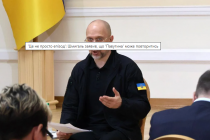 "Це не просто епізод": Шмигаль заявив, що "Павутина" може повторитись
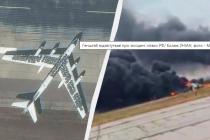 Генштаб відзвітував про знищення 12 російських літаків
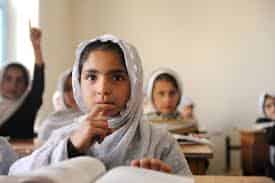
Pakistan’s school system is in crisis, with a lack of government facilities creating “education deserts” for poor children, especially girls, according to a new report by Human Rights Watch.
A third of girls across the country are not attending primary school, compared with 21% of boys. By the ninth grade, just 13% of girls are still in school, it said.
In Balochistan, Pakistan’s largest province, the picture is bleaker still: 81% of girls did not complete primary school in 2014/15, compared to 52% of boys.
Nearly 22.5 million children are out of school, according to Imran Khan’s party manifesto, published before he was elected prime minister in July.
The Human Rights Watch (HRW) report, Shall I Feed my Daughter or Educate Her?, concludes many of the most serious barriers to education lie within the school system. A chronic lack of investment in education has led to a shortage of government schools, particularly girls schools. Other factors include prohibitive school fees, corporal punishment, poor quality schools in the public and private sector, a lack of regulation and corruption.
Girls face additional barriers, as part of a broader landscape of gender discrimination in the country, including child marriage, sexual harassment and child labour.
“The Pakistan government’s failure to educate children is having a devastating impact on millions of girls,” said Liesl Gerntholtz, women’s rights director at HRW. “Many of the girls we interviewed are desperate to study, but instead are growing up without the education that would help them have options for their future.”
The Pakistan government has acknowledged a persistent “under investment” by the state, leading to “a poor quality of education for those who are fortunate enough to get enrolled and no education for the rest”, the report said.
While the nation’s constitution advocates free and compulsory education for all children aged five to 16 years old, there is no organised effort by the government to ensure all children study, it found. The country’s highly decentralised government structure also meant that education policy varied significantly across regions.
The HRW report said the government’s “abdication of responsibility” towards education has created an explosion of largely unregulated new private schools of wildly varying quality, including low-cost establishments which are often the only option for poor families. According to UN guidance, Pakistan should spent at least 15 to 20% of the total national budget and 4 to 6% of GDP in eduction. It spent 12.6% (in 2016) and 2.8% (in 2017) respectively.
In interviews for the report, girls talked again and again about their desires to “be someone” and how their dreams have been crushed by being unable to study.
Khan’s political party’s manifesto promises major reforms to the education system.
“The government recognises that education reform is desperately needed and promises to make this a priority, especially for girls – a positive step,” Gerntholtz said. “We hope that our findings will help the government to diagnose the problems and identify solutions that will give every Pakistani girl a bright future.”












































































 Следите за нами в Facebook