




 Уряд РФ готується до падіння експорту нафти до Індії на 30% та дефіциту бюджету
 Саміт на Алясці став "великою аферою" Путіна, - WSJ
 Моді відмовився зупинити імпорт російської нафти, - Bloomberg
 Індія зухвало відмовила Трампу, нагадавши про торгівлю США і РФ
 "Дедлайн" Трампа для Кремля може пройти тихо і без наслідків, - AP
 Збільшення видобутку ОПЕК+ та нові погрози Трампа тиснуть на ціни на нафту
 На лінії фронту в Україні зона ураження стає дедалі глибшою: в The Economist назвали причини
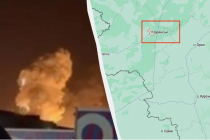 У російському Брянську пролунали потужні вибухи в районі аеропорту
 Трампу імпічмент, Венсу – посаду: Маск продовжує підливати масла у вогонь
 Росія масовано атакувала Україну дронами і ракетами: є руйнування і постраждалі
 Нічний удар Росії по Україні: жителі деяких міст залишилися без світла
 Росія планує у 2026 році захопити дві області та відрізати Україну від Чорного моря, - ОП
 У США закликали видворити Маска з країни після сварки з Трампом, - The Hill
 Низка поїздів спізнюється через наслідки атаки на Київ
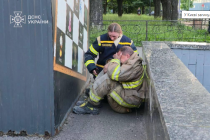 Під час нічного удару росіян у Києві загинули рятувальники
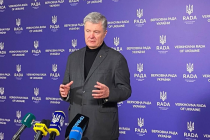 Порошенко залишив собі слона і причіп, а всі дохідні активи намагався переписати на дружину, - ЗМІ
 В Україні з'явиться військовий омбудсмен: Рада зробила перший крок
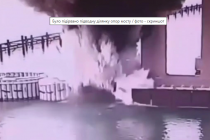 Унікальна спецоперація: СБУ втретє вразила Кримський міст
 Британія готова судитися з Абрамовичем, щоб передати Україні гроші із продажу "Челсі"
 Ключовий союзник Трампа підтримав законопроект про пекельні санкції проти РФ
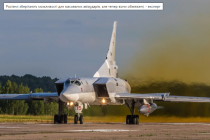 Росіяни зберігають можливості для масованих авіаударів, але тепер вони обмежені, - експерт
 Олена Тополя відверто зізналася, що робила пластику грудей
 Як рясні дощі вплинуть на врожай картоплі в Україні: відповідь фермера
 "Це не просто епізод": Шмигаль заявив, що "Павутина" може повторитись
 Генштаб відзвітував про знищення 12 російських літаків
An Independence Day parade might sound uncontroversial, but in Poland it has proven anything but. The parade in question is a nationalist march in Warsaw organized by far-right groups that was scheduled to take place on Sunday to mark 100 years of Polish independence. That was before it became a political football surrounded by confusion and uncertainty—and a useful window deep into the Polish psyche.
On Wednesday, Warsaw Mayor Hanna Gronkiewicz-Waltz of the center-right Civic Platform party announced she would be canceling the march, citing as justification a history of previous Independence Day marches marred by xenophobia and violence. “This is not how the celebrations should look on the 100th anniversary of regaining our independence,” she said. “Warsaw has suffered enough because of aggressive nationalism.”
Poland’s president, Andrzej Duda, a member of the ruling Law and Justice party, quickly declared he would now be organizing a state-sanctioned march along the same route the far-right groups had planned to take. “Everyone is invited, come only with red-and-white flags,” he wrote on Twitter, an allusion to the Polish national flag, and an indirect reference to the white-supremacist banners and slogans from last year’s Independence Day march.
But that was before a court overturned Gronkiewicz-Waltz’s ban. Sunday’s centennial events, which should ordinarily herald a day of national celebration, are now being awaited with dread—not least because many Poles believe their country’s president and prime minister, have done little or nothing in the past to discourage marchers calling for a “white Europe” and spouting anti-Semitic chants. In his announcement this week, Duda did not mention the reasons that Poles might doubt his sincerity—above all, Law and Justice’s long-running flirtation with Polish far-right groups.
The question is why, in Europe’s most economically successful post-communist country, has a ruling party ended up struggling to separate itself from openly extremist nationalists? In answering that question, and deciding what to do about it, it’s not enough to examine Law and Justice’s rise to power—one must also understand the peculiar culture of Polish nationalism that the party appeals to. In Poland, perhaps more than anywhere else in Europe, there is no necessary contradiction between a commitment to democracy and to the most extreme forms of nationalism.
123 years of subjugation
After enjoying the status of major European power in the 16th and 17th centuries, poor leadership and internal strife led to Poland being partitioned by the Austrian, Prussian, and Russian empires in 1795. The country that had produced Europe’s first written constitution and at its height spanned a territory three times the size of today’s Germany disappeared from the map for 123 years.
During this period, the Polish nation, bereft a sovereign state, immersed itself in the arts. The cultural soon became political as poets and writers strove not just to preserve Polish culture, but also to propagate the dream of an independent Poland, ultimately inspiring several unsuccessful insurrections in the 19th century. The Catholic Church also played a key role in preserving Polish culture and the dream of an independent state during this period. This marriage between culture, politics, and religion eventually birthed a new interpretation of “Polishness,” one that constitutes the core of that propagated by Poland’s present-day nationalists.
This new identity was summed up by Adam Mickiewicz, Poland’s foremost poet, who described Poland as the “Christ of nations.” The parareligious Messianic assertion of Polish exceptionalism portrayed Poles as a morally superior collective suffering iniquity at the hands of immoral others yet destined to ultimately triumph and save Europe from its sinful self.
By the time Poland finally regained independence in 1918, this interpretation of Polishness had firmly entrenched itself in wider societal consciousness, symbolized by a slogan always present at the Independence Day marches organized by Poland’s far-right groups: “God, Honor, Fatherland.”

















































































 Следите за нами в Facebook