




 Уряд РФ готується до падіння експорту нафти до Індії на 30% та дефіциту бюджету
 Саміт на Алясці став "великою аферою" Путіна, - WSJ
 Моді відмовився зупинити імпорт російської нафти, - Bloomberg
 Індія зухвало відмовила Трампу, нагадавши про торгівлю США і РФ
 "Дедлайн" Трампа для Кремля може пройти тихо і без наслідків, - AP
 Збільшення видобутку ОПЕК+ та нові погрози Трампа тиснуть на ціни на нафту
 На лінії фронту в Україні зона ураження стає дедалі глибшою: в The Economist назвали причини
 У російському Брянську пролунали потужні вибухи в районі аеропорту
 Трампу імпічмент, Венсу – посаду: Маск продовжує підливати масла у вогонь
 Росія масовано атакувала Україну дронами і ракетами: є руйнування і постраждалі
 Нічний удар Росії по Україні: жителі деяких міст залишилися без світла
 Росія планує у 2026 році захопити дві області та відрізати Україну від Чорного моря, - ОП
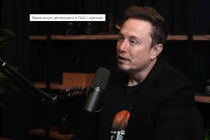 У США закликали видворити Маска з країни після сварки з Трампом, - The Hill
 Низка поїздів спізнюється через наслідки атаки на Київ
 Під час нічного удару росіян у Києві загинули рятувальники
 Порошенко залишив собі слона і причіп, а всі дохідні активи намагався переписати на дружину, - ЗМІ
 В Україні з'явиться військовий омбудсмен: Рада зробила перший крок
 Унікальна спецоперація: СБУ втретє вразила Кримський міст
 Британія готова судитися з Абрамовичем, щоб передати Україні гроші із продажу "Челсі"
 Ключовий союзник Трампа підтримав законопроект про пекельні санкції проти РФ
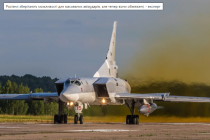 Росіяни зберігають можливості для масованих авіаударів, але тепер вони обмежені, - експерт
 Олена Тополя відверто зізналася, що робила пластику грудей
 Як рясні дощі вплинуть на врожай картоплі в Україні: відповідь фермера
 "Це не просто епізод": Шмигаль заявив, що "Павутина" може повторитись
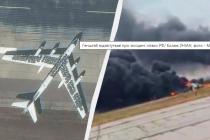 Генштаб відзвітував про знищення 12 російських літаків
When world leaders gather in this city-state and Papua New Guinea for regional summits this week, there will be a conspicuous absence: President Trump.
It is summit season in Asia, with Association of Southeast Asian Nations (ASEAN) meetings due to start Tuesday in Singapore. The 10-member bloc hosts world leaders at the yearly East Asia Summit, a chance for regional leaders to strengthen ties with global powers. Most will then travel to Papua New Guinea for Asia-Pacific Economic Cooperation (APEC) meetings, hosted this year by the poorest member of a 21-country bloc of Pacific economies.
Russian President Vladimir Putin will be visiting Singapore for the first time, meeting leaders in a region that is increasingly looking to Moscow for arms purchases and diplomatic protection. Chinese President Xi Jinping will be in Port Moresby for the APEC summit over the weekend, underscoring Beijing’s strategic play in the South Pacific, and will be deploying Chinese Premier Li Keqiang to Singapore to expand a free-trade agreement with the city-state and “upgrade its relationship” with Southeast Asian countries.
Prime Minister Narendra Modi of India, Prime Minister Shinzo Abe of Japan and President Moon Jae-in of South Korea will also be at the regional summits.
Trump, however, is skipping them entirely, leaving Vice President Pence and national security adviser John Bolton to lead the U.S. delegation. Analysts view Trump’s absence as a lost opportunity and miscalculation at a time when Washington and Beijing are locked in a battle for influence over a region that is China’s backyard.
The U.S. president’s decision not to show up is a “major problem with really bad optics,” said Brian Harding, deputy director of the Southeast Asia program at the Center for Strategic and International Studies in Washington.
“Every country in Southeast Asia is trying to forge a close relationship with the U.S. — they don’t want to live in a region that’s dominated by China. They want options, and they want balance,” he said. “It doesn’t send a good signal [of U.S. commitment] that the president doesn’t want to attend the one summit he’s supposed to in Southeast Asia.”
Trump’s predecessor, Barack Obama, was the first U.S. president to attend the ASEAN-hosted East Asia Summit, in 2011, and made the trip every year of his presidency thereafter except during a government shutdown in 2013. The appearances were part of a broader pivot to Asia, a region where Obama believed the United States could forge deeper ties and find new allies.
Last year, Trump was in Manila for meetings related to the regional bloc, but he left early and missed the summit itself.
[A more assertive Beijing raises new questions for U.S.-China relations]
U.S. officials insist that Trump’s absence does not signal a lack of focus on the region. Writing in The Washington Post on Friday ahead of his trip, Pence said the U.S. commitment to the Indo-Pacific was “steadfast and enduring,” and he accused some nations of undermining a “foundation” of sovereignty and free commercial trade flows in the region — a thinly veiled reference to China, which has been pushing sovereignty claims for years and expanding its military presence in the South China Sea.
Beijing also sees Southeast Asia as front and center of its Belt and Road Initiative, a trillion-dollar-plus global investment plan that countries have begun to see as a debt trap that will leave them under China’s thumb.
In a statement, the vice president’s press secretary, Alyssa Farah, said Pence is “honored to represent President Donald Trump” and the summits and will “highlight American leadership in the region.”
“He will also deliver the message that authoritarianism, aggression, and the disregard for other nations’ sovereignty by any nation in the Indo-Pacific will not be tolerated by the United States,” she added.
On a trip to Europe in recent days, Trump drew criticism for failing to show up for a scheduled tour of an American military cemetery, citing the weather. Analysts widely perceived the trip as evidence of how isolated the United States under Trump has become from traditional European allies.
Southeast Asia, however, is a region where leaders have not taken particular offense to Trump’s “America First” rhetoric, especially as many countries have moved closer toward authoritarian rule under strongman leaders. Countries here continue to clamor for greater U.S. involvement and leadership and want an alternative to China’s billion-dollar investment promises that Malaysian Prime Minister Mahathir Mohamad, an ASEAN elder statesman, recently criticized as a “new version of colonialism.”
“Trump’s stock in Southeast Asia is not as low as some might imagine,” said the CSIS’s Harding.
The Trump administration recently announced a plan to support U.S.-style infrastructure development in the region, led by the private sector but backed by billions in development financing. Analysts say the plan needs to be fleshed out further, especially when Beijing is readying billion-dollar infrastructure projects such as a massive economic corridor in Myanmar and railways in the Philippines, a traditional U.S. ally.
Southeast Asian countries — which together hold almost 10 percent of the world’s population, wedged between more-powerful neighbors such as India, China, South Korea and Japan — have always felt vulnerable about their geography and are likely to welcome the competition for influence if it means investments from both the United States and China.
But Dino Patti Djalal, a former Indonesian ambassador to Washington, said regional leaders are warning against a “zero-sum geopolitical rivalry” between the two powers and do not want to be forced to make a choice between the two.
“There is strong appetite for economic brinkmanship from Washington,” he said, noting that the Trump administration’s “diplomatic and political capital” is “declining” in the region. “I think we are seeing greater polarization ahead.”











































































































 Следите за нами в Facebook